 EN
EN

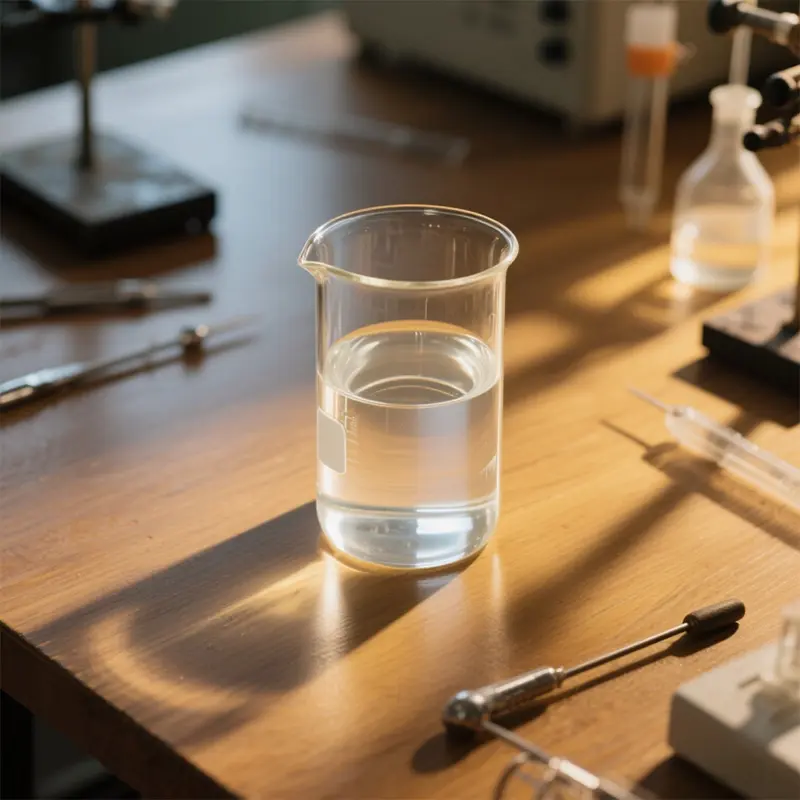
The Versatility and Customization Potential of Acrylic Solutions
Design flexibility and custom shaping capabilities of acrylic materials
Acrylic has really opened up new possibilities for design when paired with modern fabrication tech such as CNC machines and laser cutters. Manufacturers can now produce parts with incredible accuracy around 0.1mm, working with sheets ranging from just 1.5mm thick all the way up to 50mm. This level of control makes it possible to craft intricate shapes that would be nearly impossible using older materials. According to a recent study on material innovations in 2024, about three out of four industrial designers are choosing acrylic instead of polycarbonate these days when they need something strong but also visually appealing. They keep pointing to how well acrylic works with heat shaping processes as their main reason for this shift.
Material properties of PMMA that enable industrial adaptability
PMMA lets through about 92 percent of light according to ASTM standards, and can take around ten to twenty times more impact than regular glass before breaking. What makes this material really stand out is how it doesn't turn yellow even after sitting outside for over fifteen years without protection from UV rays. Plus, PMMA stays pretty much the same size whether it gets super cold at minus forty degrees Celsius or heated up to ninety degrees. These characteristics explain why manufacturers choose PMMA when they need something both clear as glass and tough enough to handle whatever weather throws at it.
Case Study: Custom acrylic integration in modular manufacturing systems
A Tier 1 automotive supplier implemented laser-cut acrylic templates for EV battery assembly, reducing component alignment errors by 34% while withstanding 500+ thermal cycles. The 2.8mm PMMA sheets provided electrical insulation comparable to ceramic composites at 60% lower weight, demonstrating acrylic's capacity to address multiple engineering constraints through targeted customization.
Key Industrial Applications of Acrylic Solutions
Acrylic solutions in automotive: Lightweight, durable components
Modern vehicle designs increasingly incorporate acrylic for headlight lenses, interior trim, and aerodynamic panels. The material’s 50% weight reduction compared to glass improves fuel efficiency without compromising structural integrity, while its shatter resistance enhances passenger safety in collision scenarios.
Medical device enclosures and equipment housings using transparent acrylic
In medical technology, transparent acrylic meets strict sterilization requirements while providing optical clarity for diagnostic equipment. Acrylic-based composites demonstrate 98% bacterial resistance after repeated disinfectant exposure, making them ideal for MRI machine components and surgical instrument trays.
Aerospace and defense: Leveraging impact-resistant acrylics
Aerospace engineers specify acrylic for cockpit canopies and sensor housings, leveraging its ability to withstand bird strikes at 400+ mph velocities. Defense applications include transparent armor systems where multi-layered acrylic panels stop 7.62mm rounds while maintaining 92% light transmission.
Architectural signage and UV-resistant outdoor applications
Urban infrastructure projects utilize extruded acrylic sheets for wayfinding systems and transit station barriers. These solutions retain color fidelity for 10+ years in direct sunlight due to UV-stabilized formulations, outperforming polycarbonate in accelerated weathering tests by 37% (ASTM G154 cycle data).
Core Technical Properties Driving Acrylic Performance
Transparency, UV resistance, and long-term weatherability of acrylic sheets
Acrylic lets through about 92% of light, which actually beats regular glass for clarity while still holding up pretty well over time. What makes this material really stand out is how it handles UV rays too. Tests have shown that acrylic only gets about 3% cloudy after being exposed to UV light for around 10,000 hours straight. That kind of resistance matters a lot when materials are used outside. The chemical makeup of PMMA keeps it from turning yellow or getting brittle, something we've noticed even in tough spots like near the ocean where salt air eats away at other plastics, or up high in mountain areas where UV radiation is stronger than down at sea level.
Impact resistance and safety advantages over glass and polycarbonate
Acrylic has around 4 to 8 times the impact resistance of regular annealed glass, making it a go to material for installations where safety is paramount. When compared to polycarbonate, acrylic stands out because it doesn't get that cloudy look when scratched or worn down over time. The material keeps its clear appearance and can handle pretty rough treatment thanks to its Rockwell hardness rating somewhere between M80 and M100. These properties make acrylic particularly well suited for things like protective barriers in busy public areas or machine guards where workers need to see what's happening but still want protection from flying debris or accidental impacts.
Durability in extreme environments: Thermal and chemical stability
Acrylic can handle temperature ranges from minus 40 degrees Fahrenheit all the way up to 210 degrees Fahrenheit without bending out of shape, according to tests done under ASTM D648 standards for heat resistance. The material stands up pretty well against various chemicals too, especially those within the pH range of 4 through 9. That makes PMMA a good choice for things like lab benches and parts used in factories where they might come into contact with weak acids, bases, or even petroleum based cleaning agents. Because of these characteristics, acrylic components often last over fifteen years when put to work in tough conditions like inside chemical processing facilities or covering solar panels in arid regions where extreme weather is common.
Selecting the Right Acrylic Type for Specific Industrial Requirements
Cast vs. Extruded Acrylic: Performance, Clarity, and Machining Differences
When choosing materials, one needs to know what separates cast from extruded acrylic first. Cast acrylic is known for better transparency (around 92% light gets through) and holds up well against heat changes, which makes it great for things where precision matters a lot, such as parts for medical devices. On the other hand, extruded acrylic costs less money when producing large quantities, though it doesn't handle impacts as well (about 30% weaker according to ASTM D256 tests). Recent research in polymer processing from 2024 showed that cast acrylic gives much cleaner cuts when using CNC machines, something absolutely necessary for parts in airplanes that need very tight tolerances of plus or minus 0.005 inches.
| Property | Cast Acrylic | Extruded Acrylic |
|---|---|---|
| Impact Resistance | 1.5 kJ/m² | 1.0 kJ/m² |
| Thermal Tolerance | 85°C (185°F) | 70°C (158°F) |
| Surface Finish | Mirror-polish ready | Requires post-processing |
Industrial Suitability of Acrylic Forms: Sheets, Rods, Tubes, and Custom Profiles
Diverse industrial applications demand optimized acrylic formats:
- Sheets: 0.118"–2.0" thicknesses for UV-resistant signage (15-year outdoor lifespan)
- Rods: 3mm–300mm diameters for laboratory equipment with sterilizability
- Tubes: Bubble-free optical transmission for fluid inspection systems
Matching Acrylic Material to Environmental Loads and Operational Demands
High-humidity environments require UV-stabilized grades that retain 98% clarity after 8,000 hours of accelerated weathering. For chemical exposure, cross-linked acrylic demonstrates 40% better solvent resistance than standard PMMA. In thermal cycling tests (-40°C to 100°C), cast acrylic maintained dimensional stability within 0.2% variation versus 1.1% for extruded variants.
FAQ
What is the main advantage of using acrylic over glass?
Acrylic offers superior impact resistance, often 4 to 8 times that of regular glass. It is also lighter, which can contribute to better fuel efficiency in vehicles when used in components like headlight lenses and aerodynamic panels.
How does acrylic stand up to UV exposure?
Acrylic is highly UV resistant, and it retains transparency better than many other plastics. It does not yellow or become brittle even after prolonged UV exposure, making it ideal for outdoor applications.
What's the difference between cast and extruded acrylic?
Cast acrylic typically offers better optical clarity and thermal performance, making it suitable for precision applications. Extruded acrylic is more cost-effective for large-scale productions but is not as strong or impact-resistant as cast acrylic.
Can acrylic be used in medical devices?
Yes, acrylic is often used in medical devices because of its clarity, sterilizability, and resistance to repeated disinfectant exposures. It is ideal for MRI machine components and surgical instrument trays.