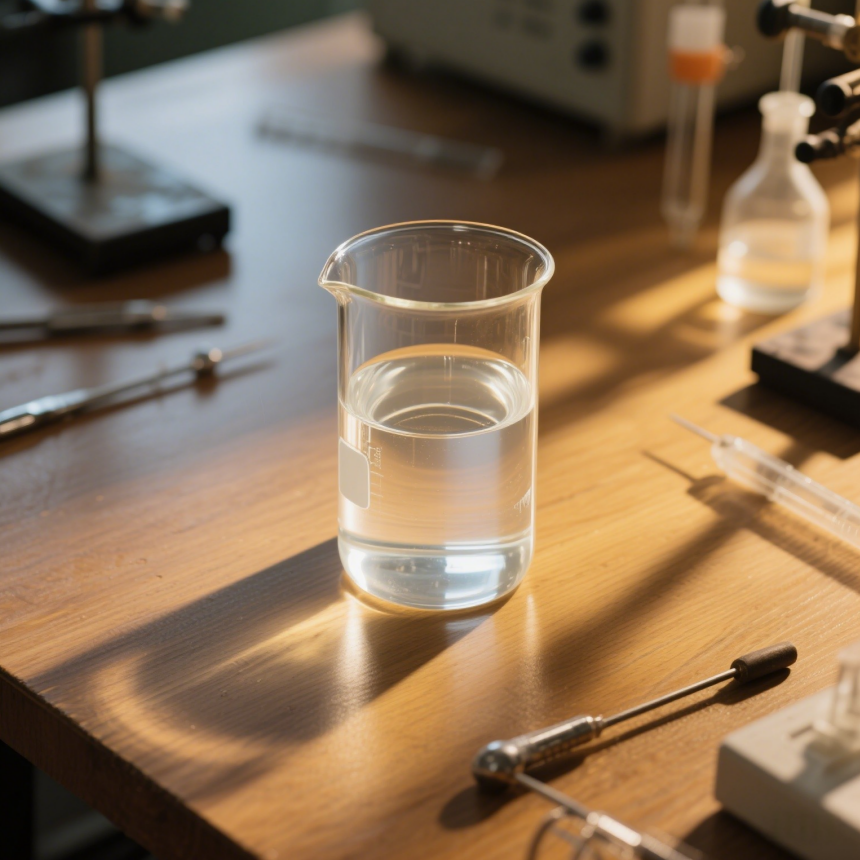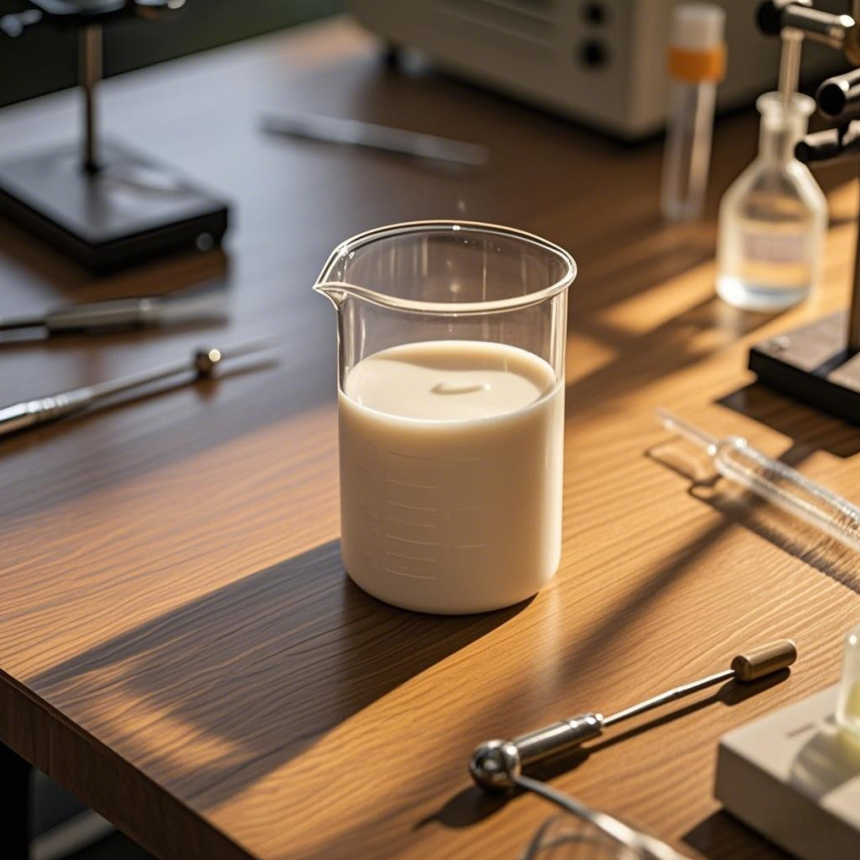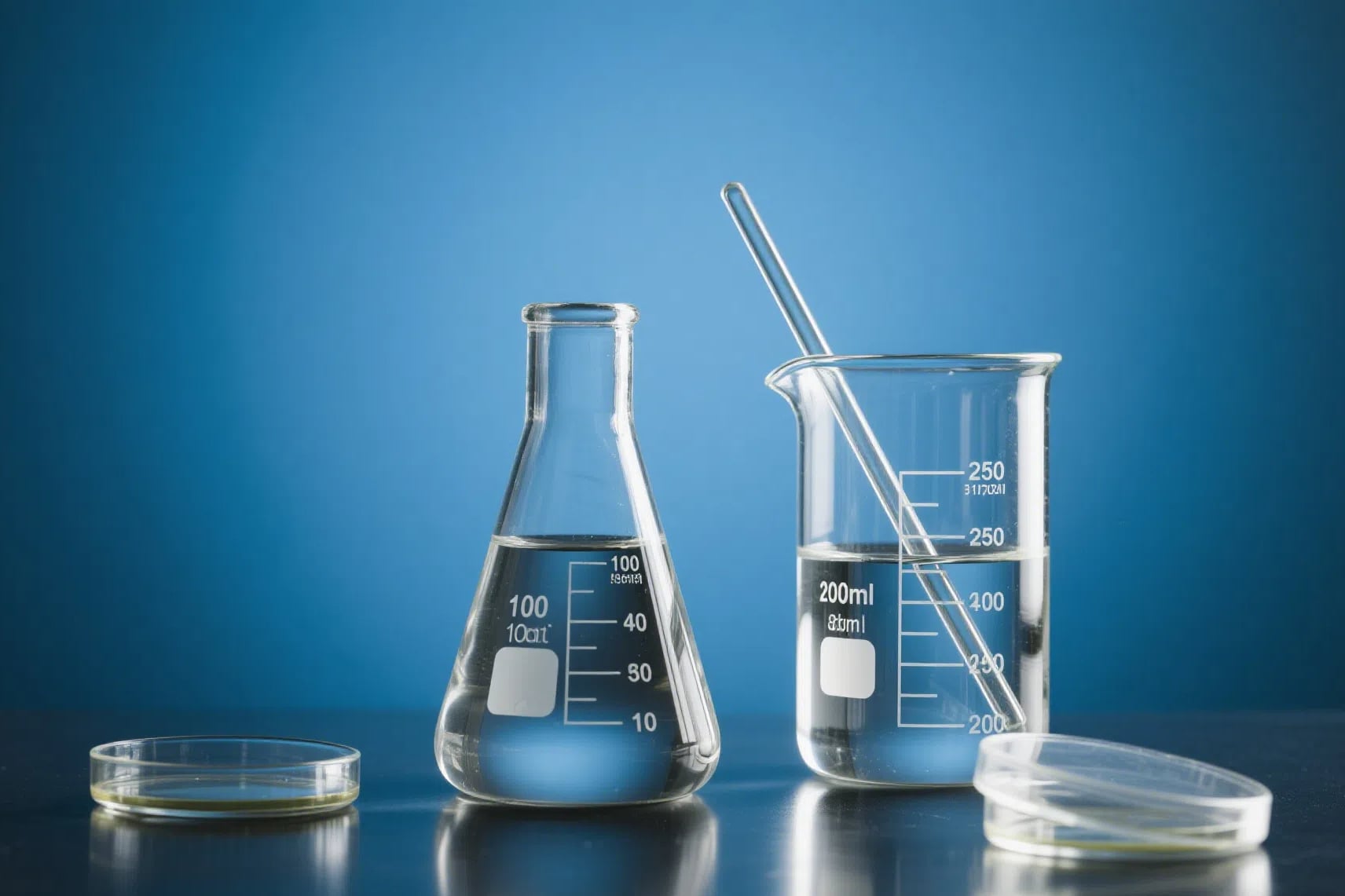
Acrylate quality control involves systematic testing and process monitoring to ensure acrylic monomers and polymers meet purity, performance, and safety standards. For monomers (e.g., 2-ethylhexyl acrylate), testing includes gas chromatography to verify purity (≥99%), titration to measure acidity (≤0.05% as acrylic acid), and Karl Fischer analysis to check moisture content (≤0.1%). Visual inspection ensures clarity (APHA ≤30) with no particulates. For polymers, quality control focuses on physical properties: viscosity (measured via rotational viscometry), solids content (gravimetric analysis), and particle size distribution (laser diffraction). Performance testing includes adhesion (peel strength tests), flexibility (bend tests), and chemical resistance (immersion tests in water, solvents). Process monitoring during production—temperature, pressure, and reaction time—prevents deviations that could affect quality, with automated systems at E Plus Chemical Co., Ltd. ensuring consistency. Incoming raw materials are inspected to prevent contamination, and finished products undergo stability testing (storage under various conditions) to ensure shelf-life performance. Compliance with standards (ISO, REACH) is verified through audits and documentation, including certificates of analysis and material safety data sheets (MSDS). E Plus Chemical’s quality control program, integrated into its production chain, ensures its acrylates meet customer specifications and regulatory requirements, supporting reliable performance in adhesives, coatings, and other applications.