Acrylate Polymer Synthesis: Advanced Structures for Industrial Applications

Get a Free Quote

Our representative will contact you soon.
Email
Mobile/WhatsApp
Name
Message
0/1000
Attachment
Please upload at least an attachment
Up to 3 files,more 30mb,suppor jpg、jpeg、png、pdf、doc、docx、xls、xlsx、csv、txt

Acrylate Polymer: Diversified Structures for Varied Industry Needs

Acrylate polymer is developed by E Plus Chemical Co.,Ltd. using catalytic polymerization technology, featuring diverse molecular structures. It is designed to meet the differentiated needs of various industries for bonding strength and water resistance. As part of the company's core product system, it supports applications in multiple fields, leveraging the company's technical expertise in polymerization to provide high-performance polymer solutions.
Get A Quote

Advantages

Diverse Molecular Structures

E Plus Chemical Co.,Ltd. builds diversified molecular structures for acrylate polymers through catalytic polymerization technology, enabling them to meet the differentiated needs of different industries.

Meets Varied Industry Requirements

It can meet the different needs of various industries for bonding strength and water resistance, making it applicable in a wide range of fields and enhancing its market adaptability.

Advanced Synthesis Technology

The use of catalytic polymerization technology in the synthesis of acrylate polymers ensures high quality and stable performance, laying a solid foundation for their application in different industries.

Related products

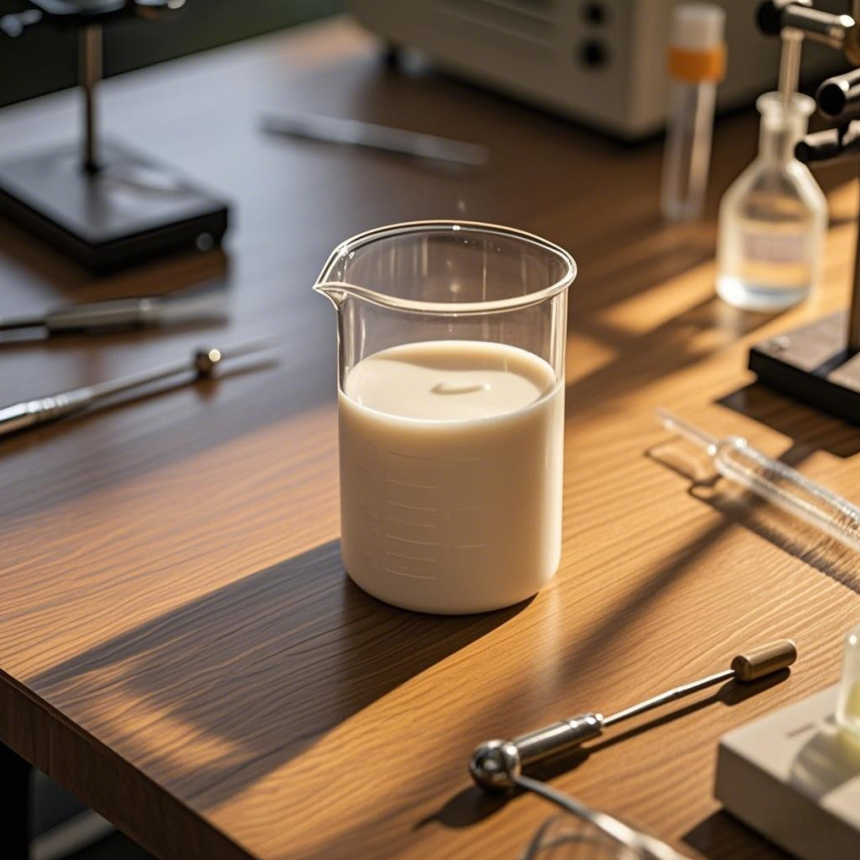
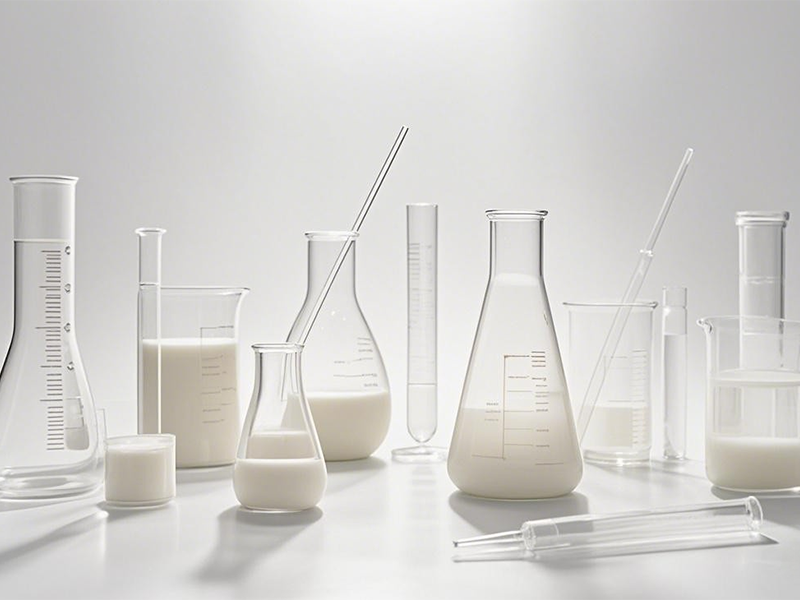
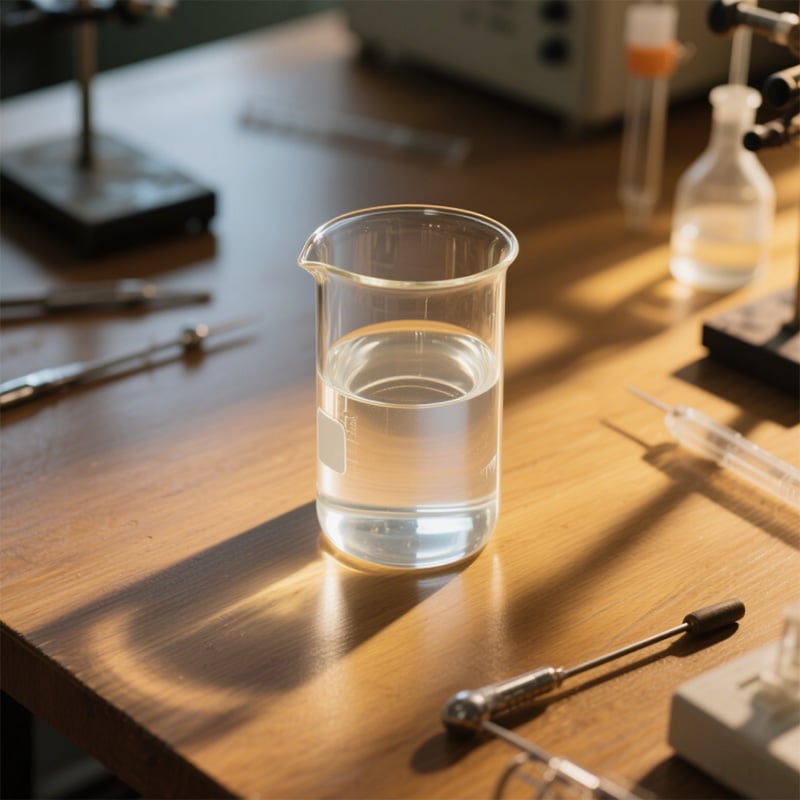
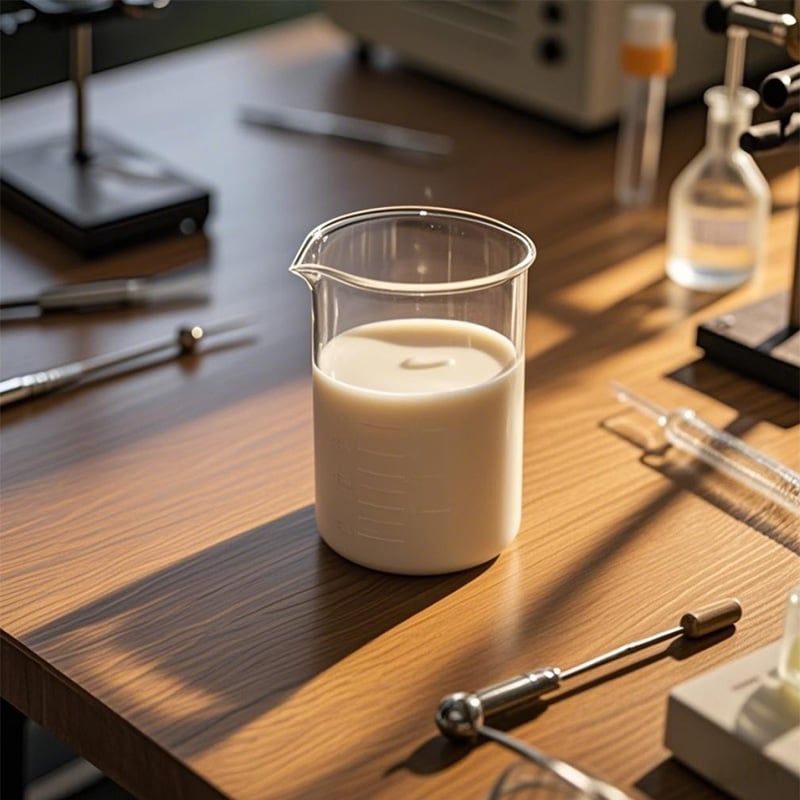
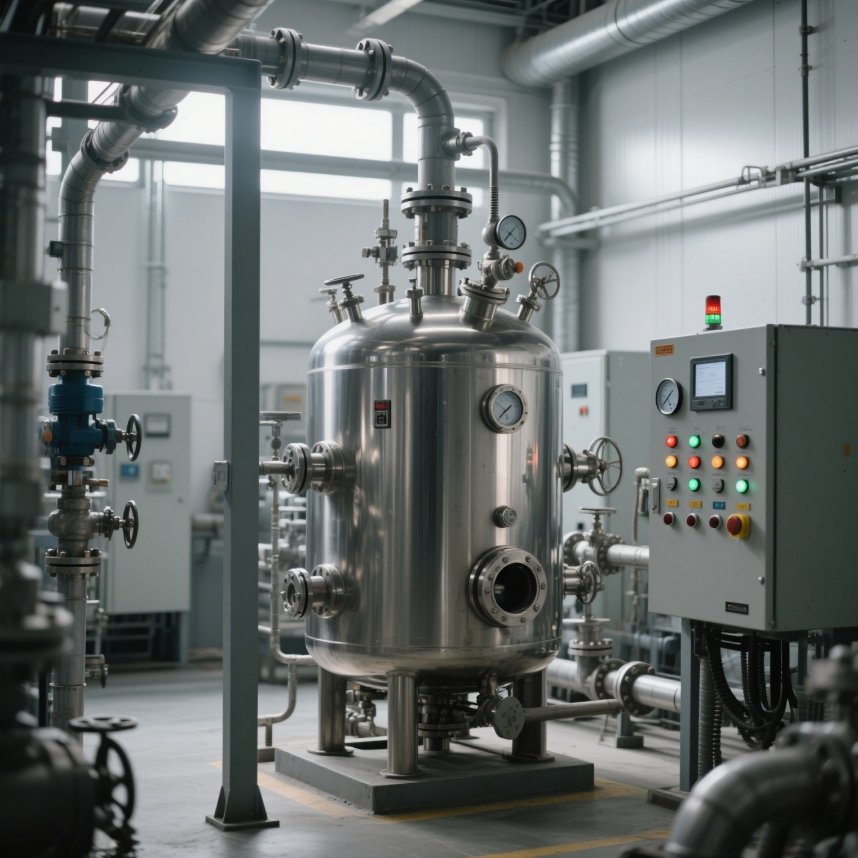
Acrylate polymer synthesis is the process of forming long-chain polymers from acrylic monomers via free radical polymerization, a versatile method allowing control over molecular weight, structure, and properties. The synthesis begins with monomer selection: acrylic esters (e.g., 2-ethylhexyl acrylate, butyl acrylate) and/or methacrylates are chosen based on desired properties (flexibility, hardness). These monomers are mixed with a solvent (for solution polymerization) or dispersed in water with surfactants (for emulsion polymerization). A free radical initiator (e.g., benzoyl peroxide, ammonium persulfate) is added, which decomposes under heat or light to form radicals that react with the monomer’s double bond (C=C), initiating chain growth. The polymerization proceeds through three stages: initiation (radical formation and monomer addition), propagation (chain elongation as monomers add to the radical end), and termination (radical combination or disproportionation stops chain growth). Reaction conditions—temperature (60-100°C), pressure, and agitation—are tightly controlled to influence molecular weight and polydispersity. For emulsion polymerization, monomers form micelles, and polymer particles grow within these micelles, resulting in stable latexes. Post-synthesis, the polymer may undergo purification (removing unreacted monomers), neutralization, or additive incorporation. E Plus Chemical Co., Ltd. uses advanced catalytic polymerization technology to optimize synthesis, ensuring precise control over polymer structure, which enhances properties like adhesion, flexibility, and water resistance. This synthesis method enables the production of diverse acrylate polymers, from soft, tacky adhesives to hard, rigid coatings.

Frequently Asked Questions

How are acrylate polymers structured?

Acrylate polymers have diversified molecular structures built through catalytic polymerization technology at E Plus Chemical Co.,Ltd., allowing them to meet different industry needs.
Acrylate polymers can meet the differentiated needs of various industries for bonding strength and water resistance, making them applicable in a wide range of fields.
Acrylate polymers are produced using catalytic polymerization technology at E Plus Chemical Co.,Ltd., which ensures their high quality and stable performance.
Yes, with the company's OEM customization service, the molecular structure of acrylate polymers can be adjusted according to customer needs to meet specific performance requirements.
Acrylate polymers are an important part of the company's core product system, supporting various industrial applications and enhancing the company's comprehensive service capabilities in the acrylic chemical field.

Related Articles

Advantages of Acrylic Waterborne Resin Emulsion in Textiles

21

Jul

Advantages of Acrylic Waterborne Resin Emulsion in Textiles

Article The introduction of acrylic waterborne resin emulsions has been a radical change in polymer chemistry in the last decade, replacing solvent-based systems with sustainable counterparts. These emulsions are based on water as the continuous pha...
View More
Formulating with Acrylic Waterborne Resin Emulsion

21

Jul

Formulating with Acrylic Waterborne Resin Emulsion

Resin Design Principles for Acrylate Emulsion Formulation The development of a successful acrylate emulsion formulation dictates the need for the accurate control of resin architecture and monomer composition. Both number-average molecular weight di...
View More
E Plus Chemical's 2-Ethylhexyl Acrylate and Waterborne Acrylate Resins Receive ISCC Certification

27

Jun

E Plus Chemical's 2-Ethylhexyl Acrylate and Waterborne Acrylate Resins Receive ISCC Certification

View More
E Plus Chemical conducts emergency simulation drills for sudden scenarios to strengthen the safety and ecological defense line

04

Jul

E Plus Chemical conducts emergency simulation drills for sudden scenarios to strengthen the safety and ecological defense line

View More

Customer Reviews

Steven Chen
Diverse Structures Meet Industry Needs

The varied molecular structures of their acrylate polymers let us choose the perfect fit for each application—from high-bond-strength adhesives to water-resistant coatings. It’s a versatile solution.

Anthony Brown
Strong Bonding Strength in Our Products

Our adhesives require reliable bonding, and these acrylate polymers deliver. They adhere well to various substrates, from plastics to metals, expanding our product applications.

Get a Free Quote

Our representative will contact you soon.
Email
Mobile/WhatsApp
Name
Message
0/1000
Part of Integrated Industrial Chain

Part of Integrated Industrial Chain

Being part of the integrated industrial chain from monomer synthesis to finished product delivery, acrylate polymers benefit from efficient production and quality control, ensuring reliable supply for customers.