Acrylate Polymer Composition: Diverse Structures for Industry Needs

Get a Free Quote

Our representative will contact you soon.
Email
Mobile/WhatsApp
Name
Message
0/1000
Attachment
Please upload at least an attachment
Up to 3 files,more 30mb,suppor jpg、jpeg、png、pdf、doc、docx、xls、xlsx、csv、txt

Acrylate Polymer: Diversified Structures for Varied Industry Needs

Acrylate polymer is developed by E Plus Chemical Co.,Ltd. using catalytic polymerization technology, featuring diverse molecular structures. It is designed to meet the differentiated needs of various industries for bonding strength and water resistance. As part of the company's core product system, it supports applications in multiple fields, leveraging the company's technical expertise in polymerization to provide high-performance polymer solutions.
Get A Quote

Advantages

Diverse Molecular Structures

E Plus Chemical Co.,Ltd. builds diversified molecular structures for acrylate polymers through catalytic polymerization technology, enabling them to meet the differentiated needs of different industries.

Meets Varied Industry Requirements

It can meet the different needs of various industries for bonding strength and water resistance, making it applicable in a wide range of fields and enhancing its market adaptability.

Customizable Properties

With the company's OEM customization service, the properties of acrylate polymers can be adjusted according to customer needs, such as modifying the molecular structure to meet specific performance requirements.

Related products

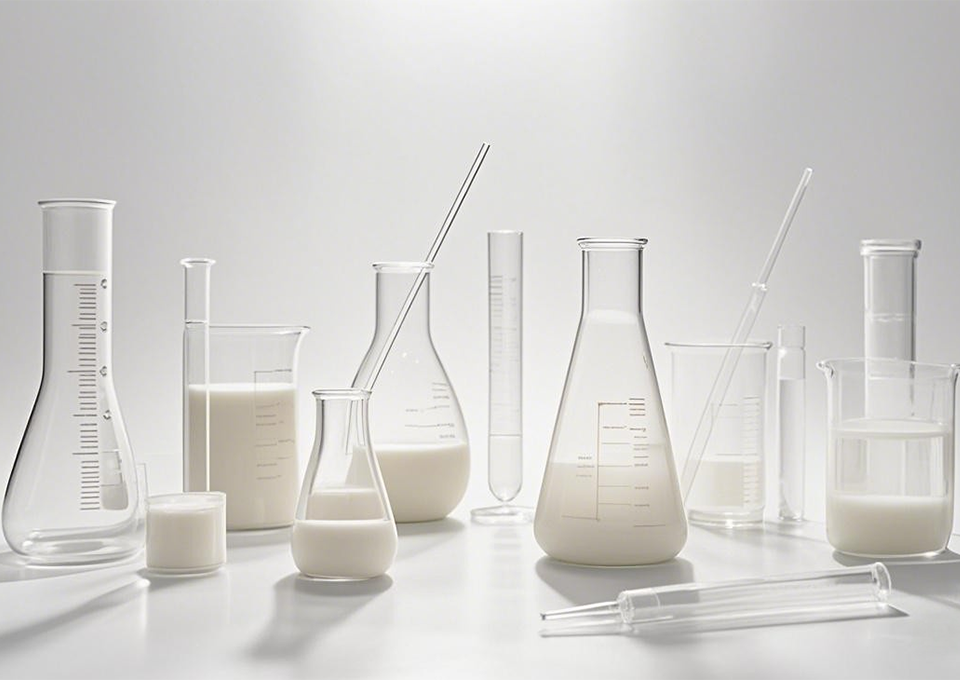
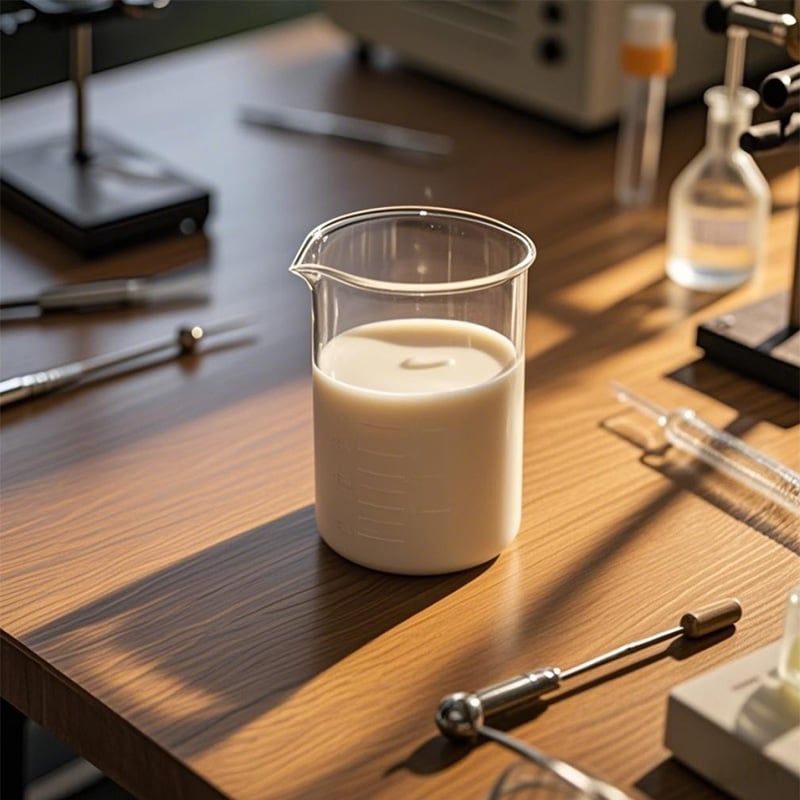
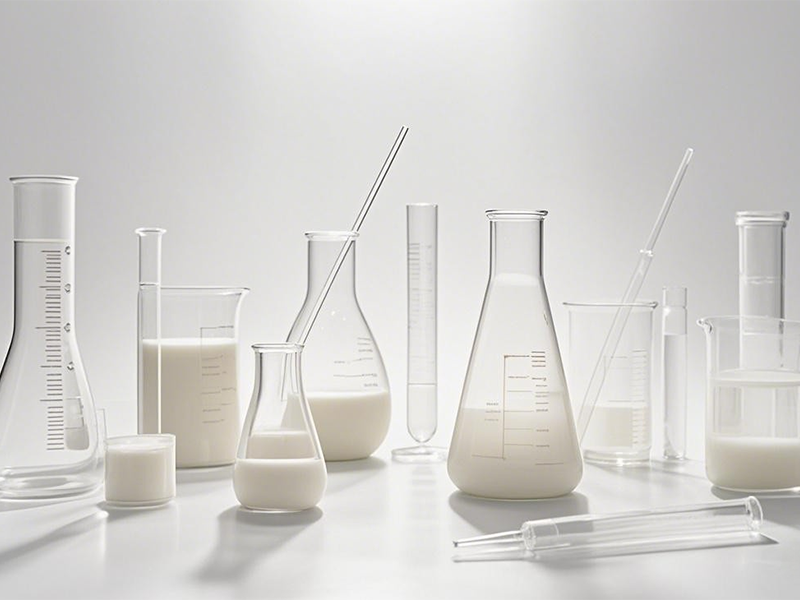
Acrylate polymer composition refers to the blend of monomers, additives, and initiators used to form the polymer, which dictates its properties and suitability for specific applications. The primary components are monomers: acrylic esters (such as 2-ethylhexyl acrylate, methyl acrylate, or butyl acrylate) that provide flexibility, adhesion, and chemical resistance, and methacrylates (like methyl methacrylate) that contribute rigidity and hardness. Polar monomers, such as acrylic acid or hydroxyethyl acrylate, are added to enhance adhesion to polar substrates or enable crosslinking. The monomer ratio is critical: a higher proportion of 2-ethylhexyl acrylate increases flexibility and tack, making it suitable for adhesives, while more methyl methacrylate improves hardness, ideal for coatings or rigid plastics. Initiators (e.g., peroxides or azo compounds) trigger polymerization, with their type and concentration controlling molecular weight and reaction rate. Crosslinkers (such as ethylene glycol dimethacrylate) are added in small amounts to improve cohesion and chemical resistance by forming covalent bonds between polymer chains. Additives may include plasticizers (to enhance flexibility), UV stabilizers (to improve weatherability), or antioxidants (to prevent degradation). E Plus Chemical Co., Ltd. customizes acrylate polymer compositions through its OEM services, adjusting monomer ratios and additives to meet specific customer needs—whether a high-tack adhesive requiring more 2-ethylhexyl acrylate or a weather-resistant coating needing UV stabilizers. The company’s advanced catalytic polymerization technology ensures uniform monomer distribution and consistent composition across batches, resulting in predictable polymer performance.

Frequently Asked Questions

How are acrylate polymers structured?

Acrylate polymers have diversified molecular structures built through catalytic polymerization technology at E Plus Chemical Co.,Ltd., allowing them to meet different industry needs.
Acrylate polymers can meet the differentiated needs of various industries for bonding strength and water resistance, making them applicable in a wide range of fields.
Acrylate polymers are produced using catalytic polymerization technology at E Plus Chemical Co.,Ltd., which ensures their high quality and stable performance.
Yes, with the company's OEM customization service, the molecular structure of acrylate polymers can be adjusted according to customer needs to meet specific performance requirements.
Acrylate polymers are an important part of the company's core product system, supporting various industrial applications and enhancing the company's comprehensive service capabilities in the acrylic chemical field.

Related Articles

Applications of Acrylic Waterborne Resin Emulsion in Coatings

17

Jul

Applications of Acrylic Waterborne Resin Emulsion in Coatings

Fundamental Properties of Acrylic Waterborne Resin Emulsion Acrylic water-based resin emulsions deliver fundamental functions from unique monomers such as 2-ethylhexyl acrylate (2EHA). This branched-chain acrylate lowers the glass transition tempera...
View More
Performance Enhancement with Octyl Acrylate Additives

17

Jul

Performance Enhancement with Octyl Acrylate Additives

Chemical Composition of Octyl Acrylate Additives Molecular Structure of 2-Ethylhexyl Acrylate (2EHA) 2-ethylhexyl acrylate (2EHA) has a branched alkyl chain that results in a flexible polymer and is also hydrolytically stable. Its molecular composit...
View More
Formulating with Acrylic Waterborne Resin Emulsion

21

Jul

Formulating with Acrylic Waterborne Resin Emulsion

Resin Design Principles for Acrylate Emulsion Formulation The development of a successful acrylate emulsion formulation dictates the need for the accurate control of resin architecture and monomer composition. Both number-average molecular weight di...
View More
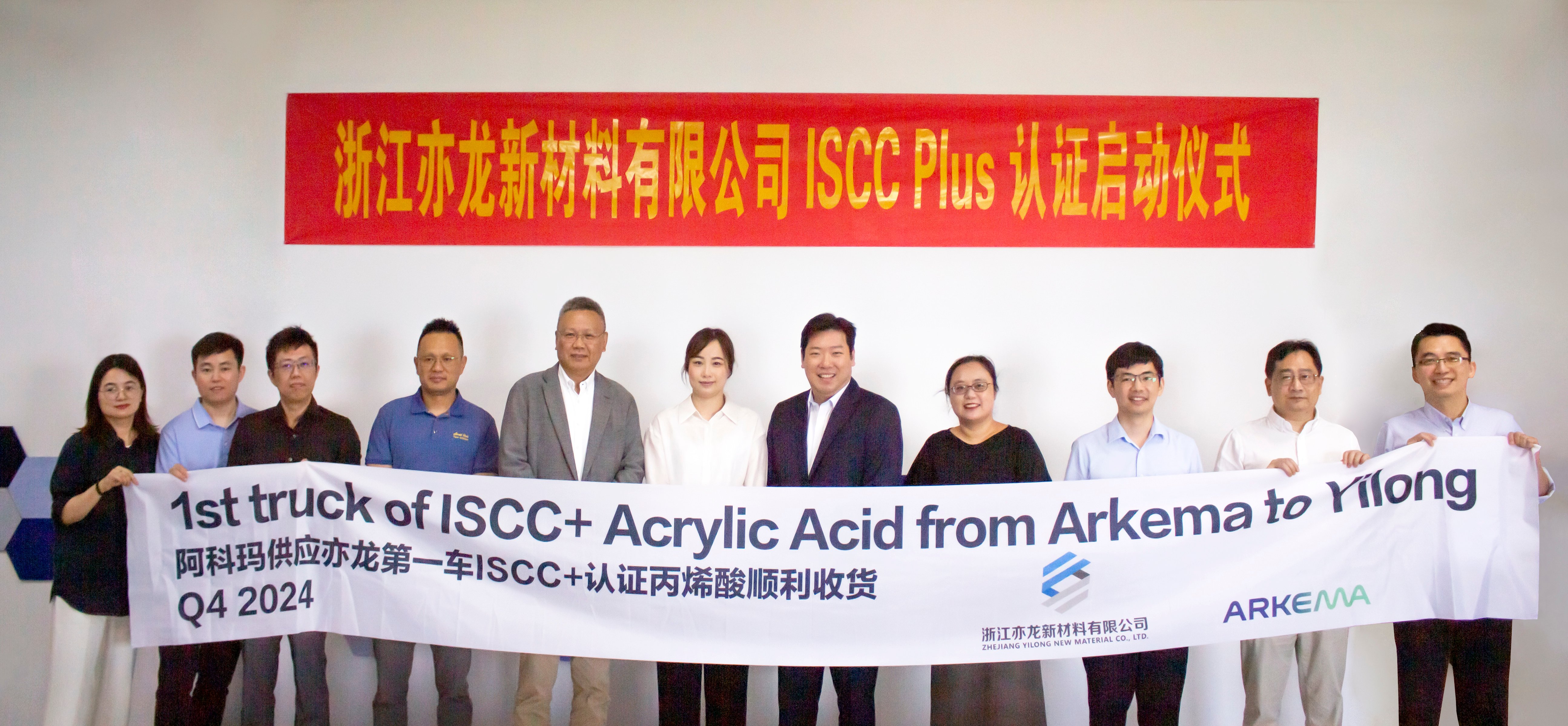
E Plus Chemical's 2-Ethylhexyl Acrylate and Waterborne Acrylate Resins Receive ISCC Certification

27

Jun

E Plus Chemical's 2-Ethylhexyl Acrylate and Waterborne Acrylate Resins Receive ISCC Certification

View More

Customer Reviews

Steven Chen
Diverse Structures Meet Industry Needs

The varied molecular structures of their acrylate polymers let us choose the perfect fit for each application—from high-bond-strength adhesives to water-resistant coatings. It’s a versatile solution.

Anthony Brown
Strong Bonding Strength in Our Products

Our adhesives require reliable bonding, and these acrylate polymers deliver. They adhere well to various substrates, from plastics to metals, expanding our product applications.

Get a Free Quote

Our representative will contact you soon.
Email
Mobile/WhatsApp
Name
Message
0/1000
Part of Integrated Industrial Chain

Part of Integrated Industrial Chain

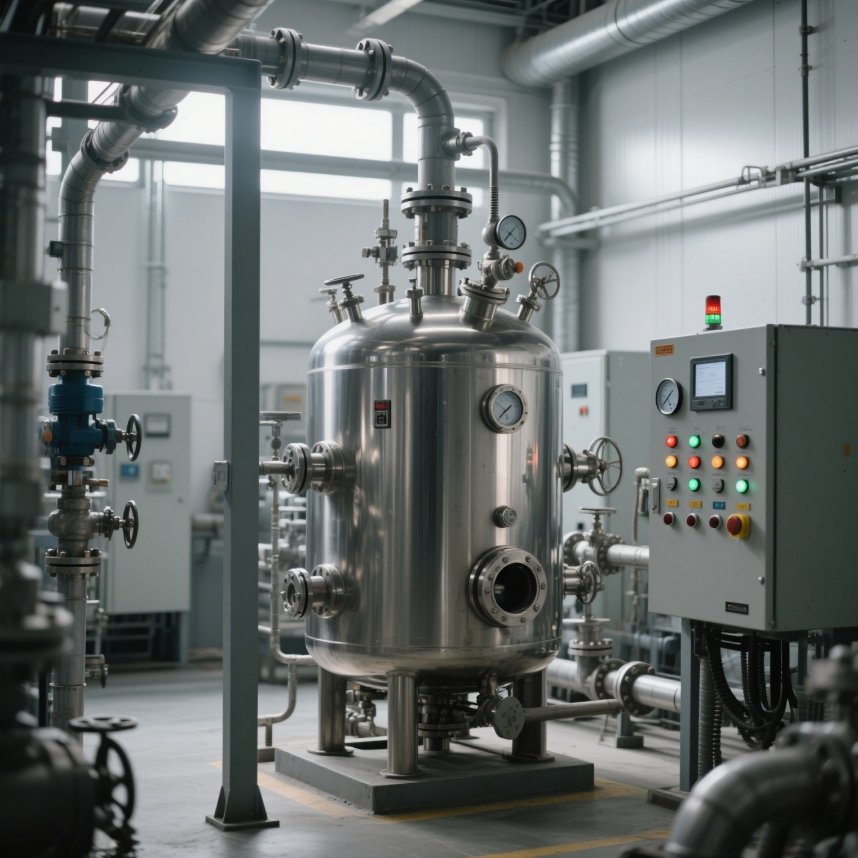
Being part of the integrated industrial chain from monomer synthesis to finished product delivery, acrylate polymers benefit from efficient production and quality control, ensuring reliable supply for customers.