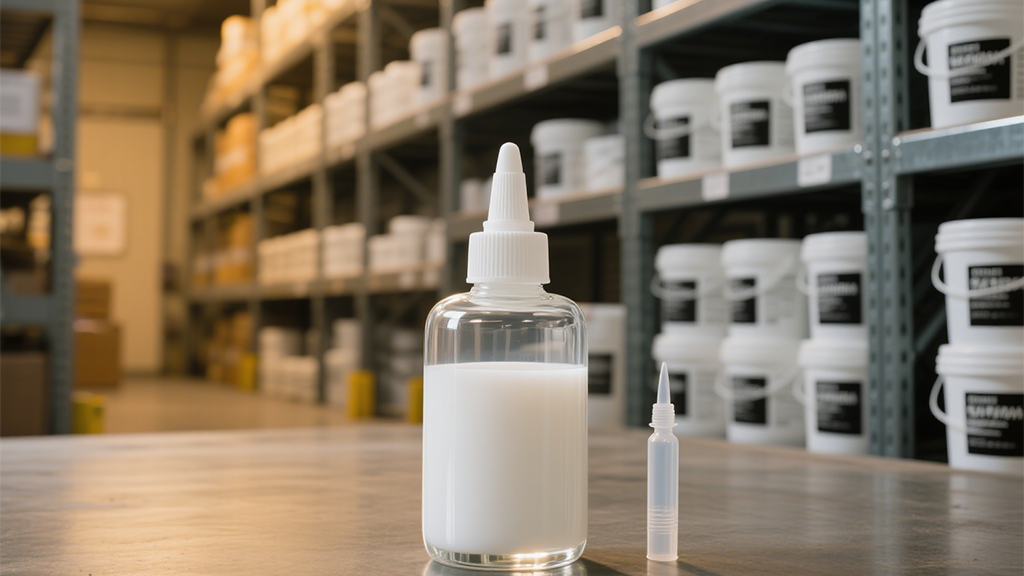
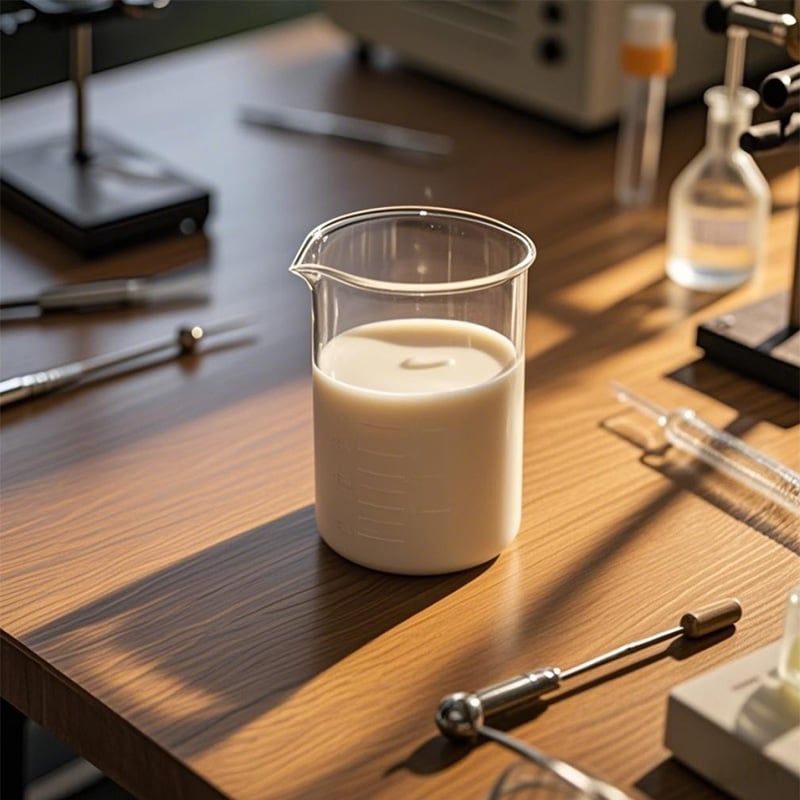
Waterbased acrylic pressure sensitive adhesive composition is a carefully balanced mixture of polymers, monomers, additives, and water, designed to deliver specific tack, adhesion, and cohesion properties for diverse applications. The primary component is an acrylic polymer emulsion, formed by copolymerizing monomers such as 2-ethylhexyl acrylate (for flexibility and low-temperature performance), methyl acrylate (for adhesion to polar substrates), and acrylic acid (for crosslinking sites and improved cohesion). These monomers are polymerized in water using initiators (e.g., ammonium persulfate) and surfactants (anionic or nonionic) that stabilize the emulsion particles, typically 50–300 nm in size, ensuring uniform film formation. Tackifiers (e.g., rosin esters, terpene phenolics) are added to enhance surface tack without compromising cohesion, with selection based on desired adhesion strength. Crosslinkers (e.g., aziridines, isocyanates) react with functional groups in the polymer to form a three-dimensional network, improving shear resistance and heat stability. Plasticizers may be included to adjust flexibility, while biocides prevent microbial growth during storage. pH adjusters (e.g., ammonia) maintain emulsion stability, and defoamers reduce foam during production and application. The solids content, typically 40–60%, balances viscosity and drying speed—higher solids for thicker coatings, lower solids for easier application. This composition is tailored to application needs: medical adhesives use hypoallergenic monomers and minimal additives, while industrial adhesives prioritize heat-resistant monomers and robust crosslinking, ensuring each formulation delivers targeted performance.