
A reliable acrylate resin test program is the difference between a stable coating line and a batch that peels, cracks, or fails adhesion. Procurement teams often focus on price and lead time, yet the certifications behind a supplier's testing tell a clearer story about consistency. This opening section explains what to look for before signing a long-term supply agreement.
A credible acrylate resin test confirms far more than a single number on a certificate. It verifies molecular weight, residual monomer, viscosity, and solids content against an agreed specification. When a supplier runs disciplined analytical testing at the point of production, the buyer receives evidence rather than assurance. That evidence becomes the foundation for downstream process control and complaint prevention.
Quality drift rarely announces itself on the first drum. A shift of a few percent in molecular weight distribution changes tack, open time, and final adhesion in pressure-sensitive films. One packaging converter lost two production shifts after a resin lot cured too fast, jamming coaters and scrapping laminated rolls. The root cause was never caught by incoming inspection because no supplier-side analytical testing data traveled with the shipment.
Beyond a basic acrylate resin test, certified labs tighten the loop between production and release. A supplier operating under ISO 9001 quality control discipline documents every test, calibrates instruments, and retains samples for traceability. Buyers gain a repeatable dataset they can audit. The risk of silent drift drops sharply when measurement is standardized and records are available for review on request.
Instrument calibration sits at the center of that trust. A credible analytical testing program logs each GPC and gas chromatography run against reference standards, with scheduled recalibration and documented outliers that make a questionable result manageable.
A thorough acrylate resin test leans on gel permeation chromatography, commonly called GPC, to measure molecular weight (Mw) and molecular weight distribution (MWD). These values govern how the resin flows, films, and bonds. A narrow MWD signals tight polymerization control, while a broad spread hints at inconsistent catalyst or temperature profiles. Requesting GPC data on every lot lets a buyer correlate resin structure with line performance instead of guessing.
The link to end-use behavior runs deeper than a single peak. Mw and MWD interact with Tg, which the monomer ratio tunes; more 2-ethylhexyl acrylate lowers Tg and softens the film. Reading GPC alongside the formulation spec helps predict tack before the resin reaches the coater.
No acrylate resin test is complete without monomer screening. Gas chromatography quantifies residual monomer left after polymerization, a key safety and compliance parameter. High residual monomer raises odor, toxicity, and regulatory exposure under REACH and GHS. A supplier that screens each batch with gas chromatography protects the buyer's workers and end users. Pairing that internal check with periodic third-party lab confirmation closes the loop on regulatory claims.
For esters such as 2-ethylhexyl acrylate, the inhibitor MEHQ must be tracked with residual monomer, since both affect storage stability. A sound quality control routine flags slow upward trends before a compliance limit is breached.
These checks complete the routine acrylate resin test. Acid value reveals the level of free carboxylic groups, which influences cure response and substrate wetting. A viscosity test using ASTM D2196 confirms the resin pumps and coats as expected. Solids content, measured per ASTM D1259, drives formulation math and cost per dry pound. Together these three routine checks catch the majority of incoming variability before it reaches the mixer.
Buyers should set the acceptable spread for each value up front, because the same resin can fit one line and fail another. A viscosity test at the edge of range may still pass yet change cure. A documented window in the purchase spec prevents later disputes over whether a lot was in specification.
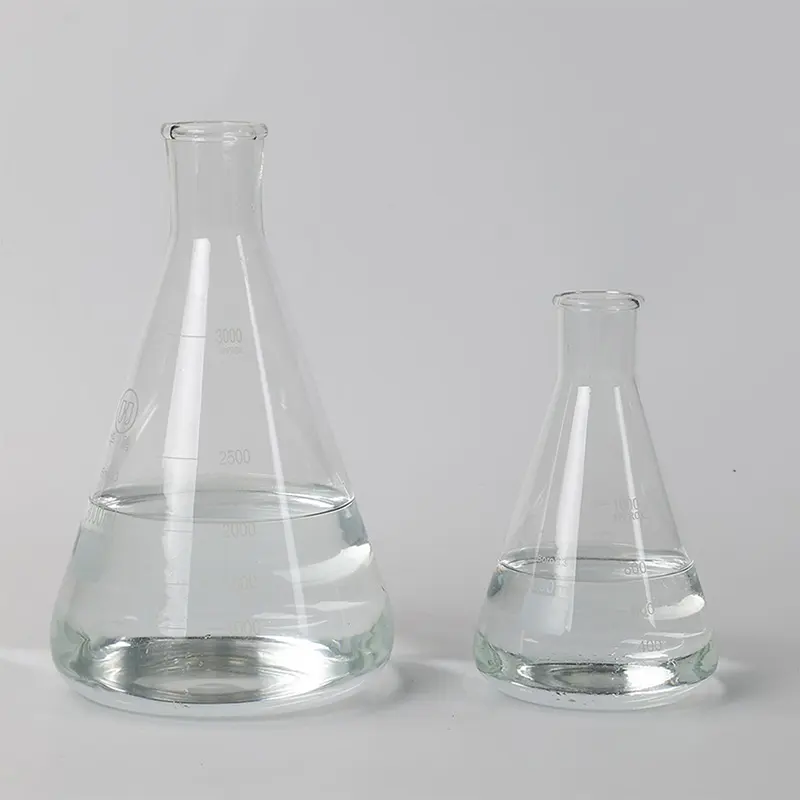
An acrylate resin test backed by ISO 17025 carries real weight. ISO 17025 accreditation proves a testing laboratory meets international competence and impartiality requirements. A supplier whose reports carry an ISO 17025 scope demonstrates that its methods are validated, its equipment is calibrated, and its personnel are qualified. For export buyers facing REACH, CLP, or customer audits, an ISO 17025-backed dataset shortens qualification and removes doubt about data integrity.
The practical step is to read the scope, not just the badge. Accreditation covers specific methods, so a lab may hold ISO 17025 yet not for the exact GPC range needed. Matching the scope certificate to required tests avoids a false sense of security; an independent third-party lab adds a second unbiased layer.
A medical-tape buyer sourced acrylate emulsion for a new PSA line. Background: the first three lots ran clean, so incoming checks relaxed. Problem: lot four showed erratic peel strength on the line, though the supplier's own quality control passed it. Solution: the buyer requested the supplier's GPC and residual monomer data, then sent a retained sample to a third-party lab for blind verification. The third-party lab flagged a shifted MWD and elevated monomer that internal records had rounded away. Effect: the supplier re-tuned polymerization and re-tested; the corrected lot shipped without a line stoppage, and the buyer added dual testing to every future contract.
Choose a supplier whose acrylate resin test program combines disciplined in-house analytical testing with ISO 17025-backed third-party lab verification. Require GPC, gas chromatography, acid value, viscosity, and solids content on every lot, and retain samples for audit. That combination turns a certificate into trustworthy evidence and keeps quality drift from reaching your plant.
Answer: A competent supplier should hold ISO 17025 for its testing laboratory and ISO 9001 for quality control management. These credentials confirm validated methods, calibrated equipment, and traceable records. Regional marks such as REACH and GHS alignment support export compliance. Buyers should request the current scope certificate and verify the accredited parameters match the tests actually run on each shipment.
Answer: An ISO 17025 scope means an outside body audited the lab's competence, not the supplier judging itself. The standard demands documented procedures, instrument calibration, and staff qualification, which protect data integrity. A self-issued pass can hide rounding or selective sampling. For regulated applications such as medical tapes or food packaging, independent accreditation reduces audit risk and speeds customer qualification.
Answer: Residual monomer should be screened on every production lot using gas chromatography, because monomer levels shift with catalyst age and temperature. Monthly third-party lab confirmation adds an independent check. Buyers receiving acrylate resin test data alongside each shipment can trend monomer over time and catch slow drift before it triggers odor, toxicity, or compliance issues at the plant.
Answer: Size matters less than discipline. A smaller supplier can run validated analytical testing with calibrated GPC and gas chromatography, retain samples, and contract an ISO 17025 third-party lab for periodic verification. Buyers should review actual lot reports, not just brochures. A documented, auditable workflow from a compact team often outperforms a large plant that cannot produce per-lot evidence on request.
Answer: Retained samples should be stored by the supplier under controlled temperature for a defined shelf life, with batch identifiers linking them to test records. Buyers should secure the right to pull a sample for independent third-party lab analysis within that window. Clear retention terms in the supply agreement turn a dispute into a quick, evidence-based resolution rather than a blame cycle.
 EN
EN