
A bulk resin purchase locks in months of production, so the smartest move happens before the order is placed. An acrylate resin sample lets a formulation team validate behavior in its own lab and on its own substrate, instead of trusting a datasheet alone. That small step turns a blind purchase into a measured decision and protects the final product before any large volume is committed to the line.
A mid-size industrial coating maker needed a new acrylic binder for a customer's exterior metal line. Before committing to a full truckload, the team ran an acrylate resin sample through a short bench check and then a small pilot run. Background: the existing supplier had raised prices and extended lead times. Problem: the new resin looked identical on paper but behaved differently on the line. Solution: a structured trial caught a slower cure and a viscosity drift that a spec sheet never revealed. Effect: a failed production run was avoided, the customer launch stayed on schedule, and the plant now documents every new resin through a formal technical evaluation before purchase.
When a binder fails at scale, the damage goes beyond the drum. Rework, scrapped substrate, and customer complaints pile up fast. A single bad batch can erase the savings of a cheaper quote. A careful acrylate resin sample tested up front answers more than a dozen vendor claims before money moves. Sample evaluation exposes these risks while a few liters are at stake, not a full campaign. The cost of that check is trivial next to a shut-down line, and a structured trial batch pays for itself the first time it prevents a recall. Treat the sample as evidence, and the purchase becomes a managed step rather than a gamble.
Risk drops when decisions are built on direct evidence. A free sample hands the buyer real material to measure, not a promise. With that material in hand, the team confirms hardness, open time, and adhesion under its own conditions. A GPC check on molecular weight explains lot-to-lot behavior that simple viscosity misses. Procurement gains negotiating power, because a documented trial batch supports a firm spec in the supply contract. The result is a buying choice backed by data, and a supplier relationship built on proven performance instead of a sales pitch.
Start with the numbers that predict line behavior. A measured acrylate resin sample gives viscosity by ASTM D2196, solids by ASTM D1259, and pH that signal stability. These three readings separate a usable lot from a problem before any formula work begins. Beyond them, track particle size and residual monomer, since both shape film clarity and odor. For weather-exposed coatings, confirm Tg and hardness against the application climate. Consistency across repeat pulls matters more than a single good result, so request two lab samples from different production batches when possible.
A resin that shines alone can fail inside a real recipe. Blend the lab sample into the current sample formulation and watch for flocculation, haze, or a shift in dry time. Compatibility with surfactants, pigments, and crosslinkers decides whether the new grade truly fits. Test at the real solids and with the actual pigment load, because a resin tolerant at 40 percent solids may break at 55. Watch for viscosity creep during let-down, and confirm the mix survives a freeze-thaw or heat-age cycle if the product ships wide. These checks belong in the technical evaluation file, not in memory.
Bench results hint; a pilot run confirms. Take a fresh acrylate resin sample onto a small production line and coat or laminate at real line speed. A pilot run surfaces shear sensitivity, foaming, and cure behavior that quiet lab conditions hide. Scale the trial to at least one percent of a normal batch to learn material handling. Note pump pressure, filter loading, and clean-up effort, because those drive line cost. Proof of concept only counts when made at scale, and sample testing earns trust only when the trial mirrors production closely enough to trust the result.
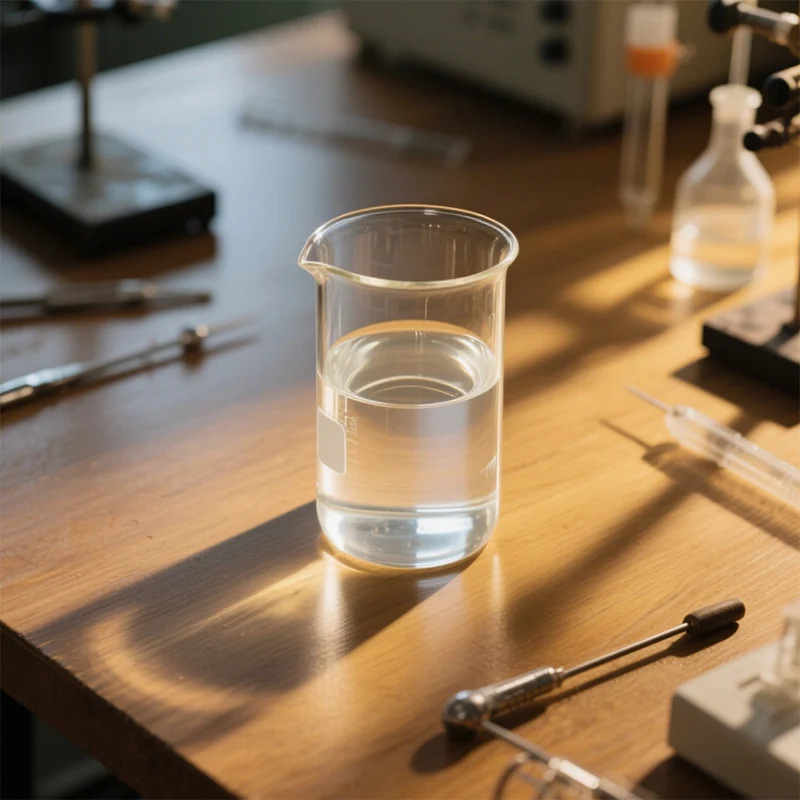
A clean workflow starts with a clear sample request that states target viscosity, solids, and application. State the target Tg and monomer ratio, since 2-ethylhexyl acrylate levels tune softness and low-temperature flexibility. The supplier ships a free sample, the lab records every measurement, and the plant runs a short proof of concept. Keep the sample in its sealed container until test time, and log storage conditions. Documenting each step turns a one-off check into a repeatable gate. When the acrylate resin sample passes every checkpoint, scale-up becomes a low-stress decision rather than a leap of faith.
Hold the result to a known bar. A formal technical evaluation compares the trial batch to ISO 9001 process controls and ISO 17025 lab competence, while ASTM methods keep readings comparable across sites. This authority step removes opinion from the decision. Buyers gain a defensible record that the acrylate resin sample met spec before any bulk tonnage was ordered, which protects both quality and audit trails. A supplier that welcomes this scrutiny is easier to trust at volume, because the evidence already exists in writing.
Requesting an acrylate resin sample before a bulk order is the smartest insurance a formulation team can buy. The workflow moves from a clear sample request, through sample testing and a pilot run, to a documented technical evaluation that de-risks scale-up. A structured trial batch catches failures while only liters are at stake. Treat the sample as evidence, not a formality, and product performance stays protected from the first drum to the last.
What should a sample evaluation cover? Answer: A sample evaluation should cover viscosity, solids content, pH, and compatibility with the current formulation. Run basic lab checks first, then a short pilot run on real equipment. Record every measurement and compare results to the supplier specification. This sequence turns a single trial into a repeatable gate that protects product quality before any bulk tonnage is committed to the production line.
Why request a free sample before a bulk order? Answer: A free sample lets a buyer test real material instead of trusting a datasheet alone. Ordering a full truckload without an acrylate resin sample means betting production on paper claims. A small trial batch exposes viscosity drift, cure issues, and incompatibility while only liters are at risk. That early evidence prevents scrapped runs, protects the customer relationship, and keeps a product launch on schedule.
How long does a pilot run take? Answer: A pilot run typically takes a few days to two weeks, depending on cure cycles and line availability. The lab sample check is faster, often under a week, while scale-up confirmation needs real production time. Plan the window before the bulk order opens so results land first. A short, well-documented trial beats a rushed full campaign that hides defects until it is too late to act.
Can a lab sample predict full-scale performance? Answer: A lab sample predicts direction but not every detail. Bench readings confirm viscosity, solids, and basic compatibility, yet shear, foaming, and cure behavior often appear only at line speed. Pair the lab sample with a pilot run for proof of concept. Together they build confidence that the chosen grade will perform when the plant runs at full volume and tight production tolerances.
Where should sample testing be documented? Answer: Sample testing should be documented in a controlled trial record that travels with the purchase file. Capture the sample request, measured values, pilot run notes, and the technical evaluation against standards. Keep the file accessible to procurement, quality, and production so the decision stays transparent. Good documentation turns a one-off check into a reusable reference for future orders and audits.
 EN
EN