
Procurement teams often fixate on monomer price but overlook what happens after delivery. Protecting 2-ethylhexyl acrylate quality (CAS 103-11-7) on site is a discipline of storage, monitoring, and release control. A drum that arrives at spec can still degrade in weeks if the inhibitor fades or a tank breathes the wrong way.
2-ethylhexyl acrylate quality depends first on the inhibitor that stops the monomer self-polymerizing in storage. Standard stabilization uses MEHQ (monomethyl ether of hydroquinone) at roughly 15 ppm. MEHQ is an oxygen-dependent radical scavenger, so drums must sit under normal air, not nitrogen. Buyers sometimes ask for inert blanketing to block oxidation, yet that starves the inhibitor and speeds gel formation.
When a tank is sealed from air, dissolved oxygen drops, MEHQ loses its partner, and heat- or light-driven radicals begin chaining. The first sign is a faint haze and rising viscosity. Early action protects purity and avoids discarding a full off-spec batch.
Storage stability falls long before a drum looks wrong. Watch for a drift in color index, a slow rise in acidity, and any stringiness on a stir rod. A modest increase in moisture content signals breathing through a poor vent. Together these predict a polymerization event inside the shelf life window, which is how a plant protects 2-ethylhexyl acrylate quality between delivery and use.
A site in southern China hit this during a hot summer. Background: it stored bulk 2-EHA in an outdoor, nitrogen-blanketed tank per a vendor's generic advice. Problem: within six weeks the color index climbed and the material thickened. Solution: the team switched to air blanketing, added monthly aeration, and began logging inhibitor MEHQ by analytical testing. Effect: storage stability recovered, no gel formed, and later deliveries passed incoming inspection.
Keep storage at or below 25 °C, away from direct light and any ignition source. The flash point sits near 80 °C, so NFPA 30 classifies it as a combustible liquid needing grounded, explosion-proof transfer gear. Ventilation should be steady but not so strong that contaminants enter. Good housekeeping is the foundation of 2-ethylhexyl acrylate quality during warm months, and a shaded cool warehouse is the simplest reliable design.
Residual monomer can accumulate in vapor space, so never pressurize a container to move liquid. Use pump transfer with bonded grounds. Every 10 °C of warming roughly doubles inhibitor consumption, so a stable cool room is the most affordable insurance for shelf life. A data logger on the room thermometer turns temperature control into a record that satisfies both internal audits and customer questions.
Run strict first-in-first-out discipline. Oldest drums are used first and every container is date-stamped at receipt. Aeration once a month refreshes dissolved oxygen so MEHQ keeps working. The step takes minutes per tank yet prevents the silent oxygen starvation that triggers gelling on a long hold.
Discipline here sustains 2-ethylhexyl acrylate quality across a long holding period. Log each aeration with date, operator, and observed color, and pair it with the incoming inspection file so any later complaint is traceable. This is exactly what ISO 9001 auditors expect from a managed monomer store.
Handling follows the SDS and the local adoption of OSHA 29 CFR 1910.1200 for hazard communication. NFPA 30 governs combustible-liquid storage and NFPA 704 marks the area. Post the SDS, train staff, and review it when the supplier revises a grade. Following the SDS defends 2-ethylhexyl acrylate quality and worker safety together, since compliance is the envelope that keeps people safe.
Required PPE includes nitrile gloves, splash goggles, and a solvent-resistant apron; use supplied-air respirators in confined space. Transfer through grounded stainless lines, never by pressurizing the container, and avoid hot work near the store.
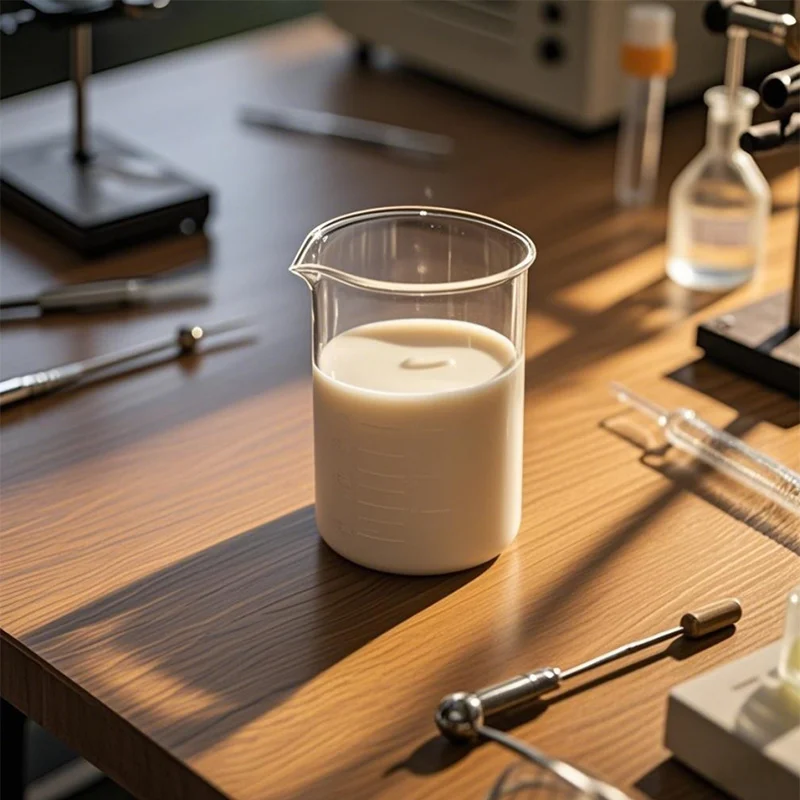
Every load should clear incoming inspection before production. Check purity by gas chromatography, confirm color index on an APHA scale, and titrate acidity. Moisture content by Karl Fischer closes the basic set. These four numbers catch most transit and storage damage before a drop reaches the reactor, and a tight incoming gate is the last guard for 2-ethylhexyl acrylate quality before production.
A realistic release spec for CAS 103-11-7 is purity at or above 99.0%, APHA color under 30, acidity below 0.01% as acrylic acid, and moisture under 0.05%. Holding that line keeps batch behavior predictable and protects the downstream emulsion in adhesives and coatings.
Beyond the basics, analytical testing should track residual monomer and inhibitor level on a schedule. Sample at the manway and drum bottom, run GC for purity and residual monomer, and check MEHQ by UV. Keep results in a bound log with batch numbers so drift is visible and actionable.
When a result drifts, quarantine the lot and notify the supplier with data. This turns a vague worry into a documented quality event. Regular analytical testing also builds the evidence pack for REACH and GHS documentation on export loads, which keeps customs clearance smooth.
Safe on-site management is a system, not a single rule. Control the inhibitor, hold temperature, run FIFO with aeration, and enforce incoming inspection at receipt. Those habits protect 2-ethylhexyl acrylate quality (CAS 103-11-7) from drum to reactor and keep every batch within spec for its full shelf life.
Answer: MEHQ is an oxygen-dependent inhibitor that traps radicals as the monomer ages in storage. Without air contact, dissolved oxygen falls and the stabilizer stops working, letting viscosity climb toward gel. Keep drums under normal atmosphere, never nitrogen, and aerate tanks monthly so the inhibitor keeps scavenging free radicals. This one habit prevents the majority of on-site polymerization incidents before they start.
Answer: Run gas chromatography for purity and residual monomer, read color index on the APHA scale, titrate acidity, and measure moisture content by Karl Fischer. A sound release point is purity at or above 99.0%, APHA under 30, acidity below 0.01%, and moisture under 0.05%. Quarantine any lot that drifts and notify the supplier with the data.
Answer: Under air at or below 25 °C and away from light, the product holds its stated shelf life, often around twelve months. Heat, sunlight, and sealed nitrogen blankets shorten it by consuming MEHQ faster. Monthly aeration and strict FIFO slow the loss of storage stability. Track each container by date and sample before use if a drum has sat beyond its rotation window.
Answer: Yes. Pressurizing a container to move liquid, welding near the store, or letting vapor meet an ignition source can all start uncontrolled polymerization. Use grounded pump transfer, keep hot work away, and maintain air contact so the inhibitor stays active. A confined-space entry needs supplied-air respirators and a written permit. Training against the SDS stops small gaps from becoming fires.
Answer: Incoming inspection is the last gate before production and the first guard for 2-ethylhexyl acrylate quality across the holding period. By checking purity, color index, acidity, moisture content, and residual monomer at receipt, a plant rejects off-spec loads early and logs a baseline. That baseline makes later drift visible, supports shelf-life decisions, and protects every downstream adhesive and coating batch from hidden damage.
 EN
EN