
An acrylate polymer formula must start from the end use, not the raw material shelf. Industrial coatings face very different demands: a coil line needs hardness and fast cure, while a flexible substrate needs give and adhesion. Selecting the right blend means mapping service conditions to measurable polymer properties before a single reactor batch is planned.
Choosing an acrylate polymer formula begins with the substrate and the field. A metal panel exposed to UV and thermal cycling wants weatherability and cohesion; a plastic film wants low-temperature flexibility and no cracking. Map the temperature range, chemicals, abrasion, and expected lifetime. This step turns vague "good coating" goals into testable numbers that downstream formulation design can chase.
A coil-coating supplier once shipped a batch that passed lab hardness but failed field chalking after one season. Background: the spec called for high gloss retention outdoors. Problem: the formula leaned hard, with too little soft monomer, so micro-cracks let water in. Solution: the formulator raised the 2-ethylhexyl acrylate share and added a small crosslinker. Effect: Tg moved from 38 °C to 22 °C, flexibility improved, and a 12-month weathering panel showed no chalking. The same supplier later repeated the logic on a PSA line with similar gains.
A workable acrylate polymer formula keeps glass transition temperature as the master variable. Once the target window is set, the monomer ratio sets the stage for the backbone built around it. Hard and soft shares, plus a functional monomer, decide whether the film survives heat, impact, and weather. Get this backbone right and later additives become fine-tuning rather than rescue work.
Hard monomer such as methyl methacrylate builds a rigid backbone and lifts hardness, chemical resistance, and blocking point. Soft monomer such as 2-ethylhexyl acrylate lowers Tg and adds flexibility, tack, and impact resistance. The monomer ratio sets the glass transition temperature almost directly through the Fox equation, so each monomer's known Tg combines by weight fraction to a target. A floor coating wants Tg around 20–30 °C; a heat-resistant topcoat wants 40–60 °C. Adjust hard monomer up to raise Tg, soft monomer up to lower it, then validate with DSC.
Copolymer composition controls more than Tg. A small acrylic acid portion improves adhesion and emulsion stability; styrene can cut cost but hurts UV life; vinyl acetate softens price and film but lowers water resistance. Sequence matters in emulsion polymerization, since staged feeds change the particle morphology. Pick monomers for the property you lack, then check that the copolymer composition still meets the broader performance balance you committed to. This step is where formulation design earns its keep.
A sound acrylate polymer formula also needs the right curing and process control. Crosslinker and initiator choices decide whether the tuned backbone survives field service, and emulsion polymerization discipline decides whether every batch looks the same. Treat these as part of the design, not an afterthought, because small process drift can erase careful backbone work in a single run.
Within any acrylate polymer formula, the crosslinker converts a linear chain into a network, lifting solvent resistance, hardness, and outdoor life. Melamine, urethane, or aziridine systems each fit different cure and regulatory needs. Too much crosslinker makes the film brittle; too little leaves it soft and blocky. Dose against the target Tg and the substrate's movement. In humid or alkaline service, choose a hydrolytically stable crosslinker and confirm with accelerated weathering.
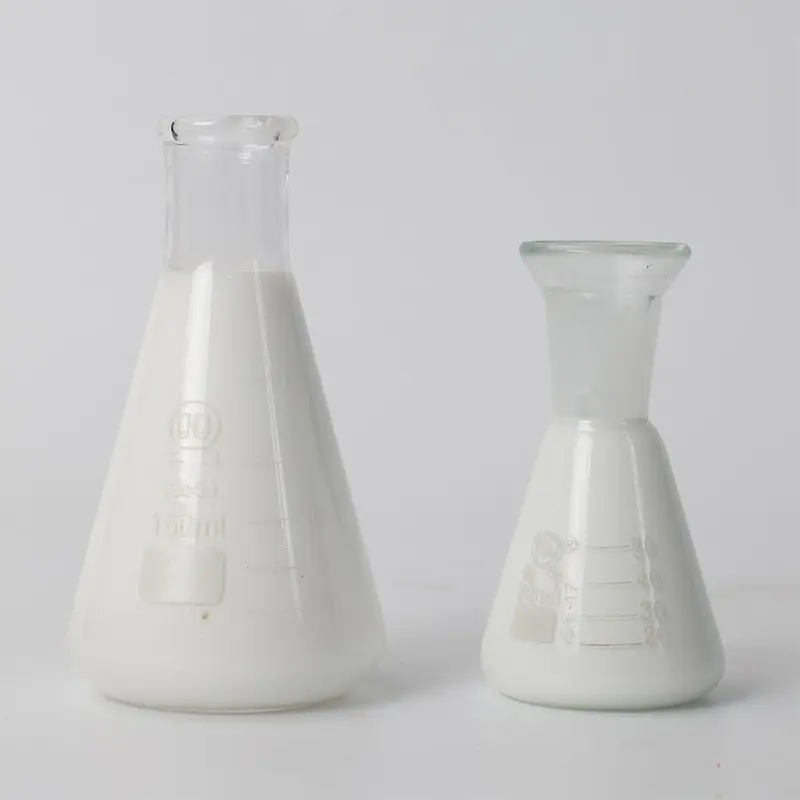
The initiator drives radical formation and sets molecular weight and residual monomer. Redox pairs run at low temperature for energy savings; persulfates give clean high-temperature batches. In emulsion polymerization, feed rate, seed stage, and surfactant decide particle size and final stability. Hold initiator and temperature tight, because drift changes viscosity and film look. Good emulsion polymerization discipline keeps batch-to-batch consistency that buyers can trust.
When a tuned acrylate polymer formula still fails, the weak link is usually one property in the performance balance. High hardness with poor adhesion peels; high flexibility with low crosslinker creeps; low Tg with weak UV monomers chalks. Run paired tests: pencil hardness, mandrel bend, MEK rubs, and QUV. When one property climbs and another drops, revisit the monomer ratio before adding additive after additive. A clean formulation design beats a crowded one.
Raw monomers carry inhibitor and moisture that quietly shift reactivity. Check MEHQ level, APHA color, and acidity on arrival; store 2-ethylhexyl acrylate at or below 25 °C, away from light, under air to keep inhibitor live. Follow FIFO and aerate monthly. Per OSHA 29 CFR 1910.1200 and GHS, keep SDS visible and use explosion-proof handling. Stable feedstock protects the coating you worked hard to tune, since a drifting raw material can undo careful formulation design in one batch.
Selecting the right acrylate polymer formula is a discipline of linking service conditions to Tg, monomer ratio, and crosslinker dose, then verifying with real tests. Start from the substrate, balance hard and soft monomer, control emulsion polymerization, and protect the formula with disciplined incoming inspection. That loop turns a lab blend into a coating buyers can rely on across seasons and sites.
What does glass transition temperature tell a formulator about a coating? Answer: Glass transition temperature marks the shift between a hard glassy state and a soft rubbery one. Below Tg the coating is brittle; above it the film is flexible. Reading Tg against the service temperature predicts adhesion, impact resistance, and crack risk. Field data plus DSC measurement keeps the chosen value honest rather than guessed, so the film matches real site conditions.
Why does the monomer ratio matter more than any single monomer choice? Answer: A coating's properties come from the blend, not one ingredient. The monomer ratio sets Tg, hardness, and flexibility together, so shifting one weight fraction moves several results at once. Picking a strong single monomer rarely fixes a weak balance. Tuning hard and soft shares toward a target window gives predictable, repeatable films across batches and seasons without surprises.
How should a crosslinker dose be chosen for outdoor coatings? Answer: Outdoor durability depends on a network that resists UV, water, and chemicals. Choose a hydrolytically stable crosslinker and dose it against the target acrylate polymer formula and substrate movement. Too much makes the film brittle; too little leaves it blocky and soft. Confirm with QUV and MEK rub tests before scale-up to protect field life.
Can emulsion polymerization conditions change the final film look? Answer: Yes. Feed rate, seed stage, surfactant, and temperature during emulsion polymerization decide particle size, viscosity, and gloss. Small drift shifts the dried film's appearance and stability. Holding initiator and thermal profile tight protects batch consistency. That control matters as much as the recipe on paper when a buyer expects the same look on every delivery.
Where should 2-ethylhexyl acrylate be stored on site? Answer: Store 2-ethylhexyl acrylate at or below 25 °C, away from light, under air to keep the MEHQ inhibitor active. Use FIFO rotation and aerate monthly. Follow OSHA 29 CFR 1910.1200 and GHS with SDS on hand and explosion-proof equipment. Stable monomer feedstock protects reactivity and the final coating's predictable, repeatable performance across production runs.
 EN
EN