 EN
EN

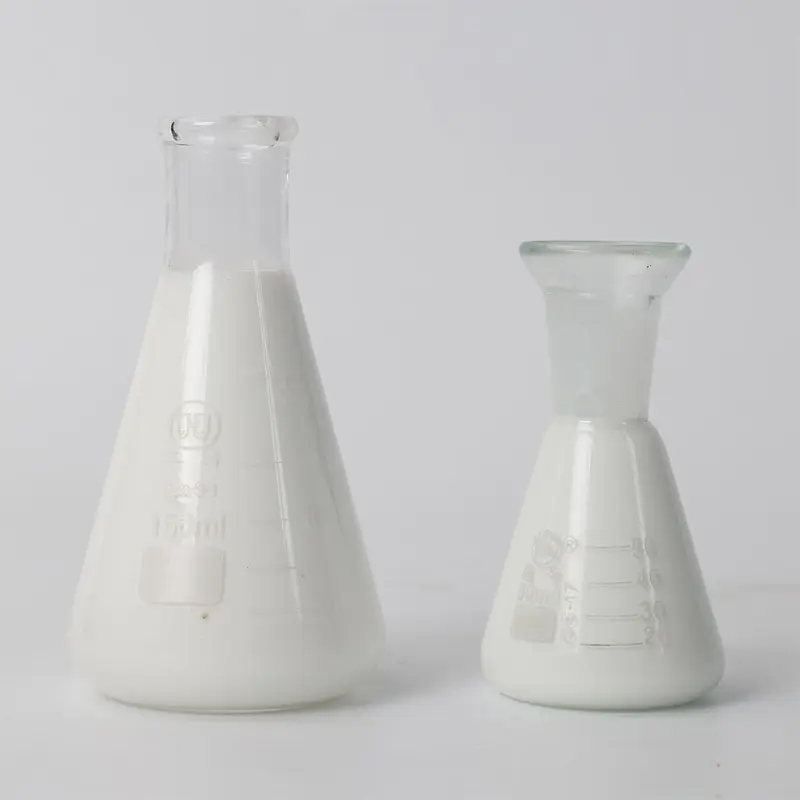
CAS 103-11-7 Identity, Hazards, and Regulatory Classification
Chemical identity, physical properties, and reactivity profile of CAS 103-11-7 (allylamine)
Allylamine (CAS 103-11-7) is a colorless to pale yellow liquid with a pungent ammonia-like odor. Its molecular formula is C₃H₇N, and its molecular weight is 57.09 g/mol. Highly flammable—with a flash point of −28 °C and autoignition temperature of 374 °C—it poses significant fire and explosion risks. Allylamine polymerizes violently when exposed to heat, light, or peroxides and forms explosive mixtures with air. It is corrosive to many metals and reacts vigorously with strong oxidizers. These hazards necessitate strict controls over temperature, oxygen exposure, and container integrity during handling and storage.
Health and physical hazard classifications: OSHA, GHS, and EPA for CAS 103-11-7
OSHA classifies allylamine as a Category 1 flammable liquid, Category 3 acute toxicant (oral, dermal, and inhalation), and Category 1B skin corrosive under the Hazard Communication Standard. Globally Harmonized System (GHS) labeling requires the flame, health hazard, and exclamation mark pictograms. The U.S. EPA designates it as a hazardous air pollutant and mandates reporting under the Emergency Planning and Community Right-to-Know Act (EPCRA); it is also classified as a marine pollutant. These regulatory designations drive requirements for Safety Data Sheets (SDS), compliant labeling, emergency response planning, and exposure monitoring—critical for preventing respiratory irritation, chemical burns, and potential long-term health effects.
Safe Handling Procedures for CAS 103-11-7 in Industrial and Lab Environments
Engineering controls, exposure monitoring (NIOSH REL = 2 ppm), and air sampling protocols
Engineering controls are the primary safeguard against allylamine exposure. Install local exhaust ventilation (LEV) at vapor generation points and fully enclose processes where feasible to maintain airborne concentrations below the NIOSH Recommended Exposure Limit (REL) of 2 ppm (8-hour TWA). Deploy calibrated continuous gas monitors in transfer and processing zones, and conduct periodic air sampling using charcoal tubes or passive dosimeters followed by GC-MS analysis to verify ventilation efficacy and compliance with OSHA’s permissible exposure limits.
PPE selection guide: chemical-resistant gloves, respirators, and splash-proof eye protection for CAS 103-11-7
PPE is essential—even with effective engineering controls. Use gloves made of butyl rubber, Viton®, or neoprene (minimum thickness 0.4 mm), validated for breakthrough resistance. For respiratory protection, select a full-facepiece air-purifying respirator with organic vapor cartridges; use supplied-air respirators where airborne concentrations may exceed 5 ppm. Always wear chemical splash goggles or a face shield meeting ANSI Z87.1 standards. Inspect all PPE before each use and replace damaged or degraded items immediately.
Secure Storage Requirements to Mitigate Risks of CAS 103-11-7
Store allylamine in a cool, well-ventilated area at 2–8 °C to suppress vapor pressure and reduce flammability risk. Avoid heat sources, ignition hazards, and direct sunlight.
Container material compatibility is non-negotiable: use stainless steel (grade 316L) or high-density polyethylene (HDPE). Never store in aluminum, copper, or carbon steel—allylamine corrodes these materials and can compromise containment. Ensure containers are tightly sealed and properly grounded to prevent static discharge.
Segregate strictly per NFPA 43B: isolate from strong oxidizers (e.g., nitric acid, hydrogen peroxide), strong acids, and halogenated compounds. Store in a dedicated flammable liquids cabinet or secondary containment unit. Conduct routine visual inspections for leaks, corrosion, or seal degradation to prevent accidental release or reaction.
Emergency Response and Spill Management for CAS 103-11-7
Immediate first aid, fire suppression methods, and neutralization using weak acids or absorbents
In case of exposure: move affected individuals to fresh air immediately. For skin contact, flush thoroughly with water for at least 15 minutes and remove contaminated clothing. For eye contact, irrigate continuously with lukewarm water for 20 minutes—do not delay medical evaluation. Seek urgent professional care in all cases.
For fires involving allylamine, use dry chemical, carbon dioxide, or alcohol-resistant foam. Do not use water jets, which may spread the fire. Cool exposed containers with fog spray if safe to do so, and isolate the area.
For spills: evacuate non-essential personnel and increase ventilation. If safe, contain small leaks with inert absorbents such as vermiculite, clay-based oil dry, or diatomaceous earth. Neutralize residual traces with dilute acetic acid (≤5%)—avoid strong acids or bases. Collect all contaminated material in labeled, compatible containers and dispose of per RCRA and local hazardous waste regulations. Never allow runoff into drains or surface water. Always consult the most current SDS for site-specific response guidance.
Frequently Asked Questions (FAQ)
What is CAS 103-11-7?
CAS 103-11-7 refers to allylamine, a highly flammable and reactive chemical with the molecular formula C₃H₇N.
What are the major hazards associated with CAS 103-11-7?
Allylamine poses fire, explosion, health, and material corrosion hazards due to its highly flammable nature, toxicity, and reactivity with various compounds.
What are recommended safety measures while handling CAS 103-11-7?
Recommended safety measures include using engineering controls, appropriate PPE like chemical-resistant gloves and respirators, adequate ventilation, and monitoring airborne concentrations.
How should CAS 103-11-7 be stored?
Store it in a cool, well-ventilated area (2–8 °C) in stainless steel or HDPE containers while avoiding incompatible materials like aluminum and copper.
What steps should be taken in case of exposure or spill?
For exposure, provide immediate first aid and seek medical attention. For spills, evacuate personnel, ventilate the area, neutralize and absorb the spill, and dispose of materials properly.