 EN
EN

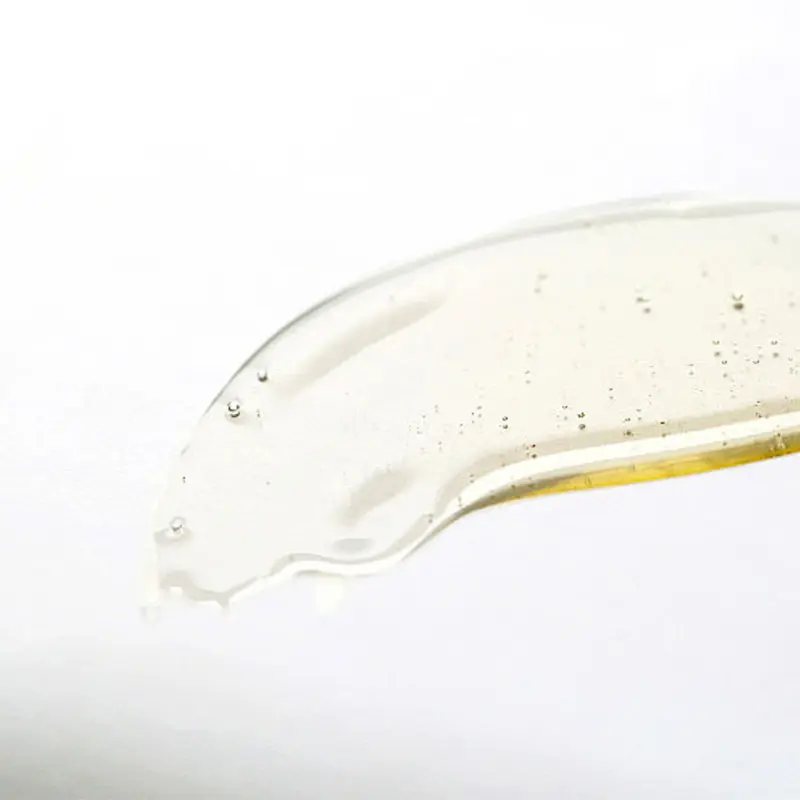
Chemical Profile and Key Specifications of 2-Ethylhexyl Acrylate 99%
Molecular Structure, Purity, and Physical Characteristics
2‑Ethylhexyl acrylate 99% is a high‑purity monomer with the molecular formula C₁₁H₂₀O₂ and a molecular weight of 184.28 g/mol. Its structure features an acrylate ester group attached to a branched 2‑ethylhexyl chain—this configuration delivers a low glass transition temperature (–65 °C), enabling exceptional flexibility in acrylic copolymers. The 99% purity grade minimizes residual inhibitors, water, and acidic impurities that could hinder polymerization kinetics or compromise film integrity. Key physical properties include a density of 0.885 g/cm³ at 20 °C, a boiling range of 214–218 °C, a flash point of 88 °C (closed cup), and very low water solubility (0.0096 g/L). With a refractive index of 1.435 and viscosity of 1.75 mPa·s, it flows readily and blends uniformly with co-monomers like methyl methacrylate and styrene.
Critical Quality Parameters: Water Content, Inhibitor Levels, and Stability
Water content must be tightly controlled—typically ≤0.05%—to prevent hydrolysis of the ester group or premature radical initiation during storage. Inhibitors such as hydroquinone monomethyl ether (MEHQ) are added at 15–20 ppm to suppress spontaneous polymerization without interfering with downstream free-radical reactions. For long-term stability, the monomer should be stored under nitrogen blanketing at temperatures below 30 °C and shielded from UV light. Batch testing for inhibitor concentration, acid value, and water content is standard practice among reputable suppliers; consistent results across these parameters directly support reliable performance in high-value applications like architectural coatings and pressure-sensitive adhesives.
Core Industrial Applications of 2-Ethylhexyl Acrylate 99%
Primary Use in Acrylic Copolymer Emulsions for Paints and Coatings
2-Ethylhexyl acrylate 99% is a foundational monomer in acrylic copolymer emulsions for waterborne paints and coatings. Its low Tg enhances film formation at ambient temperatures, improves flexibility, and contributes to outstanding weather resistance, gloss retention, and UV stability. These attributes make it indispensable in both architectural and industrial finishes—particularly where crack resistance and substrate adhesion on concrete, metal, and wood are critical. In 2024, construction-related applications accounted for 34.8% of global demand, driven by tightening VOC regulations and growth in sustainable building materials. Formulators rely on its predictable reactivity to balance hardness (from harder monomers) and elasticity, delivering durable, low-VOC coatings without sacrificing application performance.
Role in Pressure-Sensitive Adhesives and Textile Finishes
In pressure-sensitive adhesives (PSAs), 2-ethylhexyl acrylate 99% delivers high tack, strong peel adhesion, and robust shear resistance—key metrics for tapes, labels, and medical-grade adhesive films. Its low Tg ensures consistent performance across wide temperature ranges, supporting use in automotive assembly, packaging, and electronics. The adhesives and sealants segment represented 39.7% of total market volume in 2024. In textile finishing, it imparts soft hand, drape, and wash-fast flexibility while maintaining fabric tensile strength. It also serves as a reactive component in durable water-repellent (DWR) coatings. This dual utility—enabling strong bonding in PSAs and functional softness in textiles—highlights its strategic role across diverse industrial value chains.
Handling, Storage, and Safety Considerations for 2-Ethylhexyl Acrylate 99%
Safe Handling Protocols and Exposure Mitigation
2-Ethylhexyl acrylate 99% is a skin sensitizer and respiratory irritant requiring strict handling controls. Personnel must wear nitrile gloves, chemical-resistant aprons, and splash-proof eye protection. Local exhaust ventilation is essential at transfer and mixing points to maintain airborne concentrations well below the ACGIH Threshold Limit Value (TLV) of 5 ppm (with skin notation). Emergency response protocols must include immediate access to eyewash stations and safety showers within 10 seconds of work areas. Spills should be contained using inert absorbents such as vermiculite or clay—not sawdust—and cleaned promptly. Comprehensive training—aligned with OSHA’s Hazard Communication Standard—is mandatory for all personnel handling the monomer, covering first aid for skin contact (soap-and-water wash for ≥15 minutes) and inhalation (fresh air and medical evaluation if symptoms persist).
Storage Requirements to Maintain Purity and Prevent Polymerization
Optimal storage conditions for 2-ethylhexyl acrylate 99% include temperature-controlled environments (15–25 °C), stainless steel or polyethylene containers, and continuous nitrogen padding to exclude oxygen and moisture. Inhibitor levels (MEHQ or hydroquinone) should be maintained between 15–20 ppm—excess can retard intended polymerization, while insufficient levels increase polymerization risk. Oxygen concentration in solution should remain at 10–15 ppm to sustain inhibition efficacy. Exposure to UV light or temperatures above 30 °C accelerates degradation by up to 27%, per industry stability studies. Quarterly purity verification—including water content (<0.1%), acid value, and inhibitor concentration—is recommended to ensure consistency for sensitive end uses like high-solids adhesives and low-VOC emulsion paints.
Sourcing High-Purity 2-Ethylhexyl Acrylate 99% for B2B Procurement
Evaluating Suppliers: Certifications, Batch Traceability, and Logistics Support
Selecting a supplier for 2-ethylhexyl acrylate 99% requires due diligence across three interdependent criteria. First, certifications—such as ISO 9001 and REACH compliance—provide baseline assurance of quality management rigor and regulatory alignment. Second, full batch traceability, backed by detailed Certificates of Analysis (CoAs) reporting water content, inhibitor level, acid value, and purity, enables technical validation and rapid root-cause analysis if performance issues arise. Third, logistics capability—including temperature-controlled transport, nitrogen-purged IBCs or tankers, and flexible packaging options (e.g., 200 kg drums or bulk delivery)—is critical to preserving monomer integrity through the supply chain. Leading suppliers integrate these elements into a cohesive quality assurance framework, reducing polymerization risk and ensuring material arrives ready for direct use in high-performance formulation processes.
FAQs
What is the molecular structure of 2-Ethylhexyl acrylate 99%?
It features an acrylate ester group attached to a branched 2-ethylhexyl chain, resulting in a molecular formula of C₁₁H₂₀O₂.
Why is purity critical for 2-Ethylhexyl acrylate?
The 99% purity grade minimizes impurities that can hinder polymerization or compromise the quality of the final product.
What are the industrial applications of 2-Ethylhexyl acrylate?
This monomer is widely used in acrylic copolymer emulsions for coatings, pressure-sensitive adhesives, and textile finishes.
How should 2-Ethylhexyl acrylate be stored?
It should be stored under temperature-controlled conditions, with nitrogen padding, away from UV light, and monitored regularly for purity and inhibitor levels.
Are there specific safety measures for handling this monomer?
Yes, handlers must wear protective gear, ensure proper ventilation, and follow OSHA-guided protocols to prevent exposure.
What certifications should a supplier provide?
ISO 9001 and REACH compliance certifications are essential to ensure quality management and regulatory compliance.
Table of Contents
- Chemical Profile and Key Specifications of 2-Ethylhexyl Acrylate 99%
- Core Industrial Applications of 2-Ethylhexyl Acrylate 99%
- Handling, Storage, and Safety Considerations for 2-Ethylhexyl Acrylate 99%
- Sourcing High-Purity 2-Ethylhexyl Acrylate 99% for B2B Procurement
-
FAQs
- What is the molecular structure of 2-Ethylhexyl acrylate 99%?
- Why is purity critical for 2-Ethylhexyl acrylate?
- What are the industrial applications of 2-Ethylhexyl acrylate?
- How should 2-Ethylhexyl acrylate be stored?
- Are there specific safety measures for handling this monomer?
- What certifications should a supplier provide?