
Sourcing acrylate emulsion suppliers through a long distribution chain quietly erodes the margin a buyer can keep. Every hand the product passes through adds a small markup, and those markups compound before the drum reaches the plant floor. Buying closer to the source changes that math in a visible way.
A mid-size pressure-sensitive adhesive (PSA) tape maker approached acrylate emulsion suppliers after three years of buying through a regional trader. The trader sourced from an overseas plant, added freight and a service fee, then resold to a local distributor who stacked another margin layer on top. The buyer never saw the original mill price and assumed the quote was simply the market.
Many acrylate emulsion suppliers quote only through distributors, so the buyer funds a chain they cannot audit. A regional trader buys from an overseas plant, a national distributor adds a second markup, and a local reseller adds a third. By the time the drum reaches the line, three separate distributor margin layers have been paid for the same barrel of emulsion. None improved the chemistry.
That hidden stacking is why gross margin looks thin even when sales volume grows. The coating or adhesive may sell well, yet the purchased cost silently carries a tax no operations team can name. Here is the catch: the buyer usually cannot remove the layer they cannot see.
Most acrylate emulsion suppliers that sell manufacturer direct publish the mill price up front. Buying factory direct means contracting with the plant that runs the polymerization, not a desk re-selling someone else's inventory. Removing the middleman collapses two or three margin layers into one negotiated price and exposes the real cost structure, so the buyer plans against the mill price instead of a reseller's floor.
In practice, the supply chain gets shorter and more predictable. Fewer parties handle the shipment, fewer handoffs create delay, and fewer invoices hide a fee. A direct contract also gives leverage to discuss volume brackets and annual framework pricing instead of spot quotes that swing every month.
Direct acrylate emulsion suppliers can match a grade to the buyer's line instead of offering a catalog default. A direct plant offers OEM service a trader cannot match. Viscosity, solids content, and weather resistance can be tuned to the exact formulation, because the technical team sits next to the reactor. A distributor resells a fixed spec; a manufacturer direct partner helps design the spec.
For the PSA maker above, shifting to a direct partner meant requesting a softer tack profile for medical tapes without a custom-development surcharge. The plant adjusted the monomer ratio and shipped a matched grade. That flexibility protects margin by reducing off-spec rejects and rework on the buyer's side.
Reputable acrylate emulsion suppliers share a capacity calendar so the buyer can reserve slots. A verifiable plant publishes real production capacity, which lets the buyer build a lead time they can trust. With 240,000 tons per year on fully automated lines, a qualified supplier holds scheduled slots instead of promising from a half-empty warehouse. The buyer converts uncertain freight windows into a calendar.
Consider this: when demand spikes before a packaging season, a direct buyer calls the plant. A trader would first ask the plant, then the distributor, then the reseller. Each hop adds days. Shorter lead time is itself a margin gain, because it lowers safety-stock cost and frees working capital.
Trusted acrylate emulsion suppliers attach a batch record to every lot shipped. Quality consistency is where a direct relationship earns its keep month after month. The same reactor, the same inhibitor protocol, and the same incoming monomer checks keep batch-to-batch variation inside a tight band. Technical support from the plant traces a deviation back to a process parameter within hours, not weeks.
For a PSA line, a one-unit shift in pH or solids can change peel strength enough to scrap a roll. Buying direct gives the buyer a named contact and a batch record, so a drift is caught at the source. That traceability is hard to get through a distributor who never saw the reactor.
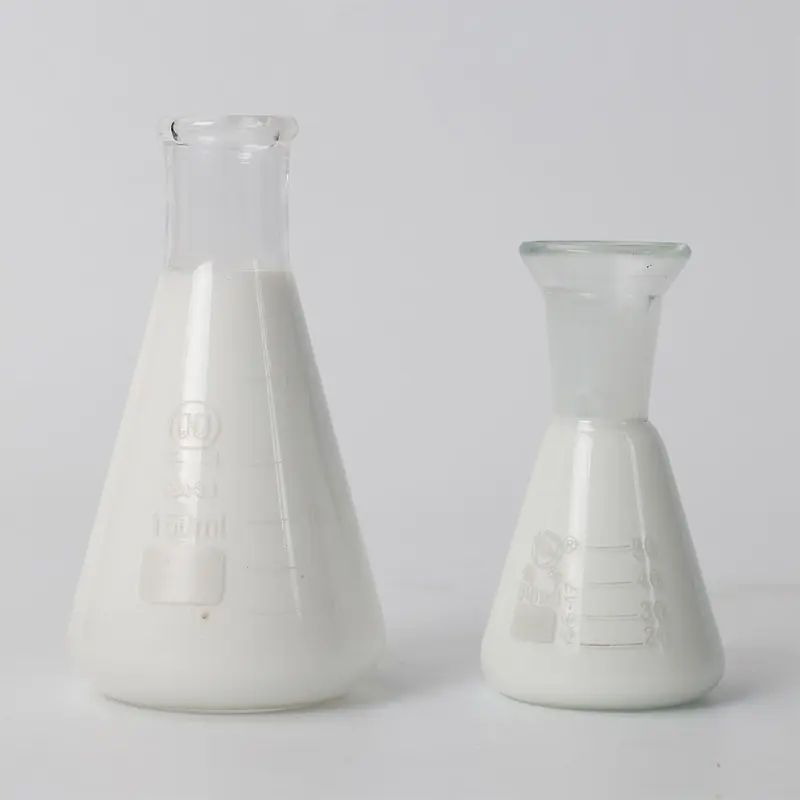
Before committing, ask for a factory audit pack: site photos, ISO certificates, and a recent batch record. Real technical support shows up as fast answers on storage, handling, and formulation, not a price sheet. A verifiable plant welcomes a video walk or on-site visit and explains the catalytic polymerization step without hedging.
Watch for vendors who dodge questions about capacity or cannot name the inhibitor used. Those are middleman signals. A genuine manufacturer direct partner speaks the process fluently and points to the line that will make the buyer's order.
Authority comes from certification, not claims. ISO 9001 governs quality management, ISO 14001 covers environmental control, and ISO 45001 addresses worker safety on the line. REACH and GHS documentation should travel with every export shipment, and ASTM D2196 gives a recognized method for viscosity testing the buyer can specify in the contract.
Citing these standards is not decoration. They let a procurement manager defend a direct award to internal stakeholders and auditors. A supply chain built on verified paperwork is steadier than one resting on a trader's reassurance.
Cutting the distribution chain is one of the fastest ways to recover hidden cost in an adhesive or coating program. Sourcing from acrylate emulsion suppliers on a manufacturer direct basis removes stacked margin, opens OEM service, and ties lead time to real production capacity. A verifiable plant with strong technical support and certified quality consistency turns purchasing from a cost center into a margin lever.
Answer: Removing distributor and middleman layers collapses several markups into one negotiated mill price, so more of each dollar stays with the buyer. Shorter lead time also lowers safety-stock cost and frees working capital. A direct contract exposes the real cost structure, letting procurement plan against the plant price instead of a reseller floor. The combined effect lifts gross margin without raising the sale price to end customers.
Answer: Request a factory audit pack with site photos, ISO certificates, and a recent batch record, then schedule a video walk or on-site visit. A genuine manufacturer direct partner explains the polymerization step and names the inhibitor used without hedging. Watch for vendors who dodge capacity questions. Verifiable plants publish production capacity and welcome traceability checks before any order is placed.
Answer: OEM service lets the plant tune viscosity, solids content, and weather resistance to the buyer's exact line rather than shipping a catalog default. Because the technical team sits next to the reactor, custom grades cost less to develop and reach the floor faster. For PSA and coating makers this reduces off-spec rejects and rework, protecting margin while keeping batch quality consistency steady.
Answer: Technical support should come from the plant that runs the polymerization, not a trader reselling inventory. Direct acrylate emulsion suppliers give a named contact who can trace a pH or solids drift back to a process parameter within hours. Fast answers on storage, handling, and formulation keep the line running and turn the supply chain into a margin lever rather than a cost center.
Answer: Yes, many plants set a low minimum order quantity for standard grades and offer trial slots on automated lines. A smaller buyer can start with a trial order, verify quality consistency, then move to annual framework pricing as volume grows. The key is showing a real forecast, not size alone. Direct sourcing rewards steady demand more than a single large purchase.
 EN
EN