
For coating, adhesive, and label converters, securing a reliable stream of raw materials decides whether a production line runs smoothly or stalls. A well-planned acrylate bulk purchase gives purchasing teams a stronger grip on both budget and supply continuity, especially when demand swings across seasons. Long-term contracts with a single accountable partner also simplify documentation and reduce the administrative load on procurement staff.
A mid-size label converter in southern China ran into repeated delays when ordering small drums of acrylic polymer and acrylate monomer from multiple traders. Tight delivery windows and shifting prices left the coating line idle for days each month. A planned acrylate bulk purchase from a single qualified supplier replaced those fragmented shipments with scheduled tank deliveries under a fixed specification. Within two quarters, line downtime dropped noticeably and formulation batches stayed consistent from one week to the next, lifting on-time shipment rates to customers.
Acrylate monomer such as 2-ethylhexyl acrylate (CAS 103-11-7) forms the soft backbone of many pressure-sensitive adhesive systems. A planned acrylate bulk purchase of this monomer locks in the soft grade and smooths the effect of spot-market swings on unit economics. When the same emulsion recipe is repeated across a long production run, tack, peel strength, and shear strength stay within a narrow band, so fewer off-spec rolls reach the converting stage. Stable raw material cost also makes quarterly pricing to customers easier to defend.acrylate monomer, water-based acrylic adhesive, 2-ethylhexyl acrylate, bulk order
A stopped coating line costs far more than the raw material itself. Late arrivals of acrylic emulsion force emergency substitutions that change viscosity and pH, harming adhesion to the substrate. Planning the acrylate bulk purchase around forecast demand keeps the coating line fed and avoids rushed reformulation. Sourcing through a single accountable partner with documented REACH and ISO 9001 workflows reduces that exposure. Lower VOC grades also help plants stay aligned with EPA and regional emission rules without rewriting formulations. The risk grows when several small vendors each control part of the supply, because one delay cascades into the whole schedule.acrylate monomer, water-based acrylic adhesive, 2-ethylhexyl acrylate, bulk order
The economics of an acrylate bulk purchase improve as volume crosses the supplier's tank-truck minimum, spreading fixed procurement and documentation costs across more kilograms of product. Fewer purchase events mean less administrative overhead and steadier negotiated pricing for acrylate monomer and acrylic resin. The saving shows up not as a one-time discount but as a lower average cost per ton over the contract period. Procurement teams also gain cleaner spend reporting, since a single supplier invoice replaces a stack of small trader bills each month.
Replacing weekly drum shipments with bulk order deliveries cuts freight spend, pallet waste, and loading-dock labor. An acrylate bulk purchase shipped in isotanks also reduces packaging waste and the carbon footprint of inbound logistics. Fewer touch points lower the chance of container damage during transit. Acrylate monomer arrives with MEHQ inhibitor and an SDS that follows OSHA and NFPA guidance, so warehouse teams handle one well-documented stream instead of many mixed lots. Lead time becomes predictable, and logistics planning shifts from reactive firefighting to a steady, schedulable rhythm the plant can trust.acrylate monomer, water-based acrylic adhesive, 2-ethylhexyl acrylate, bulk order
Batch-to-batch drift in glass transition temperature, molecular weight, and solids content is a quiet source of complaint in tape and hygiene products. An acrylate bulk purchase from one DCS-controlled plant keeps copolymer ratios steady, protecting cohesion and long-term bond strength on demanding substrates. When every delivery behaves like the last, the converting line needs fewer stoppages for cleaning and re-tuning, and the quality team spends less time investigating customer returns. A locked specification and a single source shrink that drift to a manageable level.
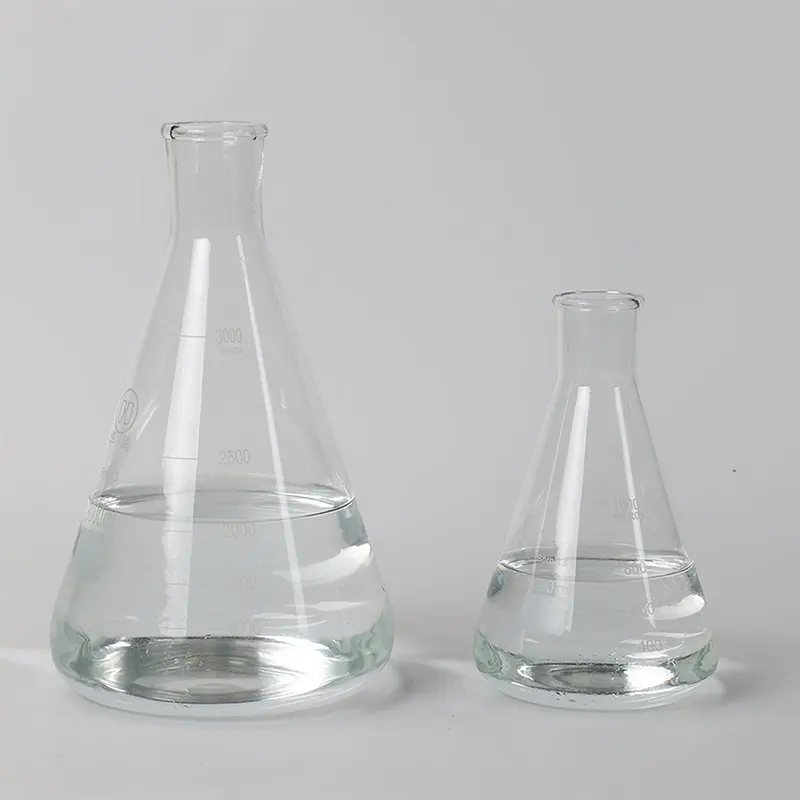
For an acrylate bulk purchase, DCS logging means every reactor campaign is reproduced from the same setpoints, holding polymerization conditions steady. Temperature, feed rate, and pH are logged automatically, so the acrylic waterborne resin emulsion leaves the plant with repeatable viscosity and storage stability. That discipline lets a bulk order delivered in month three match the one delivered in month one. Full traceability also supports root-cause analysis if a customer ever reports a deviation, shortening the time to a confident answer.
Qualifying a bulk supplier starts with documentation: valid CAS number records, current SDS/MSDS, REACH registration, and an ISO 9001 certificate. Buyers should agree on MOQ, lead time, and a clear incoming QC plan that checks solids content, pH, viscosity, and shelf life on arrival. During storage, keep emulsion above its minimum storage temperature and away from freezing; rotate stock so older lots are used first and thermal stability is preserved. A short incoming test panel catches deviations before they reach the coater, protecting both output and brand reputation.acrylate monomer, water-based acrylic adhesive, 2-ethylhexyl acrylate, bulk order
A disciplined acrylate bulk purchase turns raw-material buying from a recurring fire drill into a managed, predictable process. Consolidated volumes lower unit cost, scheduled deliveries cut logistics risk, and a single DCS-controlled source keeps emulsion and monomer properties steady from batch to batch. With proper documentation, incoming QC, and storage discipline, manufacturers gain supply continuity, cleaner compliance, and fewer surprises on the production floor.
Buyers should request a current SDS/MSDS, the CAS number for each acrylate monomer, REACH registration where applicable, and an ISO 9001 certificate from the supplier. A documented QC report covering solids content, pH, and viscosity gives confidence before the first bulk order ships. Confirming MOQ and lead time in writing prevents later surprises during peak season and protects both sides of the agreement.
Lot-to-lot consistency protects tack, peel strength, and shear strength in the final tape or label. Drift in glass transition temperature or molecular weight changes how the coating flows and bonds to the substrate. A single qualified source with DCS-controlled batches keeps copolymer ratios steady, so the converting line runs without frequent reformulation or customer complaints about weak adhesion on demanding surfaces.
Store acrylic emulsion above its minimum storage temperature and never let it freeze, since ice crystals break the colloid and ruin storage stability. Keep containers sealed to avoid skinning, rotate stock so older lots are used first, and monitor pH and viscosity before use. A cool, dry, well-ventilated area away from direct sun preserves shelf life and thermal stability across the storage period.
Acrylate monomer and water-based acrylic adhesive grades can be selected to meet regional VOC limits, including EPA and REACH expectations. Suppliers should provide VOC data and formulation guidance so the plant stays compliant without rewriting the whole recipe. Low-inhibitor, high-purity 2-ethylhexyl acrylate also supports cleaner curing and lower odor in the finished pressure-sensitive adhesive product.
Manufacturers can shortlist suppliers through industry directories, trade shows, and verified B2B platforms, then audit their DCS-controlled production and OEM capability. Requesting a sample batch and running incoming QC against the agreed specification confirms quality before scaling up. A planned acrylate bulk purchase delivers stronger results with a partner that publishes lead time, MOQ, and full documentation openly for review.
 EN
EN