
Procurement teams across paints, coatings, adhesives, and sealants keep asking a simple question: is an acrylate polymer the missing piece that stabilizes a volatile raw-material pipeline? Acrylic chemistry has moved from a specialty option to a structural component of modern water-based formulations. When a single monomer or emulsion runs short, entire production lines can stall. This opening shows why specifiers treat acrylic building blocks as strategic and how a qualified second source lowers supply risk.
A mid-size label converter in the automotive aftermarket faced a familiar problem during a regional logistics freeze. Their pressure sensitive adhesive depended on a single supplier of acrylic emulsion, and a delayed shipment of 2-ethylhexyl acrylate left the reactor idle. An acrylate polymer made through continuous emulsion polymerization was exactly the component that determined whether rolls could be coated that week. With no qualified backup, the plant consumed safety stock and then slowed two converting lines. The scenario is common: one missing monomer cascades into missed delivery windows for automotive and construction customers, and the cost shows up as expedite fees and lost trust.
Idle reactors burn fixed cost while orders wait. When the adhesive line stopped, downstream slitting and packaging staff had nothing to run, and the sales desk fielded cancellation threats from distributors. Coating and sealant operations in the same building shared the acrylic resin pool, so the shortage also pinched a weatherproofing product line. Storage stability and shelf life of semi-finished goods became irrelevant once the base emulsion was gone. The real damage was schedule erosion: every day lost pushed shipments into the next month and strained customer trust built over years.
The converter qualified a second supplier with full DCS control and ISO 9001 discipline before the next peak season. Dual-sourcing let the plant draw acrylic emulsion from two sites, smoothing the gap when one logistics lane jammed. Peel strength and shear strength of the finished tape held steady because the replacement acrylate polymer matched the original glass transition temperature and solids content. OEM flexibility improved as well: with two qualified sources, the team could shift volume to the lower-cost lane without requalifying the formula. The fix was a resilient sourcing design built on documented equivalence.acrylate polymer, 2-ethylhexyl acrylate, water-based acrylic adhesive, pressure sensitive adhesive
An acrylate polymer is built from acrylate monomer units linked by free radical polymerization. A homopolymer uses one monomer, giving predictable but narrow performance. A copolymer blends two or more monomers, such as 2-EHA with a harder acrylate, tuning tack, cohesion, and adhesion for a target substrate. Copolymer design is where formulators create balance: enough tack to wet the surface, enough cohesion to hold peel strength under load. Understanding the architecture matters because the same CAS number monomer can serve very different end products depending on how it is polymerized and crosslinked into a finished film.
Three variables decide how an emulsion behaves. Molecular weight sets chain length and therefore viscosity and cohesive strength. Glass transition temperature, often called Tg, tells engineers whether the film stays flexible in cold or hard in heat, which drives UV resistance and weathering performance. Architecture—branched versus linear, crosslinking density—shapes elasticity and impact resistance. An acrylate polymer with the right Tg and molecular weight delivers a coating that survives thermal cycling and meets low-VOC targets on a building facade. Getting these parameters right separates a product that merely sticks from one that endures.acrylate polymer, 2-ethylhexyl acrylate, water-based acrylic adhesive, pressure sensitive adhesive
Supply chains de-risk when more than one qualified producer can make the spec. Dual-sourcing is not about playing vendors against each other; it is about keeping a reactor fed when a port closes or a plant undergoes maintenance. OEM flexibility means a contract manufacturer can absorb volume swings without reformulation, because both sources meet the same viscosity, pH, and solids content envelope. Procurement gains negotiating room and the plant gains uptime. For an acrylate polymer, qualifying a second site with disciplined DCS control and documented batch records turns a fragile line into a manageable one.
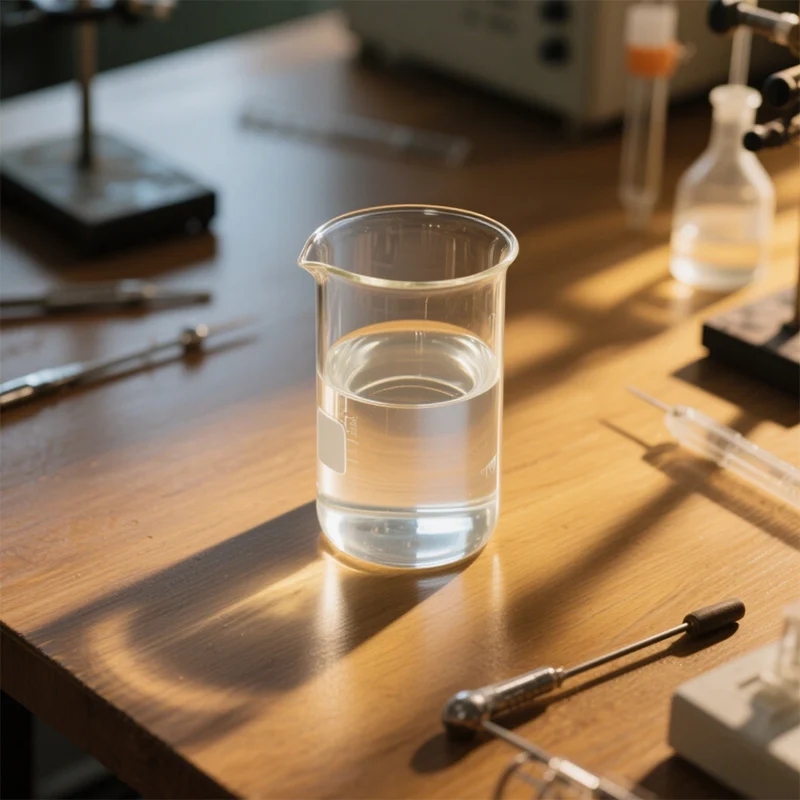
Raw acrylate monomer is a reactive liquid that needs respect, not fear. OSHA exposure limits and NFPA ratings guide storage, ventilation, and personal protective equipment in any handling area. Polymerization inhibitor such as MEHQ must stay within specification so the monomer does not prematurely react in the drum; checking inhibitor level and CAS number on the SDS prevents mix-ups. Spill and fire response plans should reference the MSDS, and training should cover vapor hazards and proper grounding during transfer. The hazard sits in the monomer, yet the finished acrylate polymer still carries handling notes on its SDS.acrylate polymer, 2-ethylhexyl acrylate, water-based acrylic adhesive, pressure sensitive adhesive
Regulated markets demand paper as much as product. REACH registration confirms that substances placed on the EU market meet safety duties, and a supplier's dossier should be current. ISO 9001 signals a quality system that governs batch-to-batch consistency, from DCS setpoints to finished-goods testing. Buyers should request the SDS, CAS number, and lot certificates, then verify storage stability and shelf life claims with their own incoming checks. Documentation is not red tape; it is the evidence that the emulsion arriving today will perform like the one shipped last quarter under the same specification.acrylate polymer, 2-ethylhexyl acrylate, water-based acrylic adhesive, pressure sensitive adhesive
A resilient supply chain treats the acrylate polymer as a managed input rather than a lucky break. The experience of a stalled converter shows how one missing monomer can cascade, while the chemistry behind homopolymers, copolymers, molecular weight, and Tg explains why specifications must be matched, not approximated. Risk control under OSHA, NFPA, REACH, and ISO 9001 turns hazardous raw material into dependable output, and dual-sourcing with OEM flexibility keeps lines running. Specifiers who qualify a second, disciplined supplier gain uptime, stability, and room to negotiate without compromising the performance their customers expect.
What role does acrylic chemistry play in adhesives? Acrylic chemistry forms the film-building backbone of water-based adhesives, coatings, and sealants. Through emulsion polymerization it yields an acrylic emulsion or waterborne resin with tack, adhesion, and cohesion across many substrates. Paints, textiles, automotive, and construction rely on it for weathering and UV resistance. Formulators pick homopolymer or copolymer grades to hit a target glass transition temperature and peel strength.
Why does dual-sourcing reduce supply chain risk? Dual-sourcing cuts risk by keeping a reactor fed when one lane fails. A second qualified supplier with matched viscosity, pH, and solids content lets the plant switch without reformulation. OEM flexibility follows, so contract manufacturers absorb volume swings using either source. The approach maintains uptime during port closures or plant maintenance rather than pitting vendors against each other. A documented second source turns a fragile line into a manageable, resilient operation.
How should buyers qualify a new resin supplier? Buyers should verify ISO 9001 certification, request the SDS and CAS number, and review lot certificates before approval. Incoming checks on storage stability, shelf life, and solids content confirm the emulsion matches the spec. A site audit of DCS control discipline shows whether batch records are trustworthy. Ask for REACH registration where the EU market applies. Qualifying on documentation and test data prevents surprises when the first shipment reaches the reactor.
Where are 2-ethylhexyl acrylate grades applied? An acrylate polymer made with 2-ethylhexyl acrylate brings low volatility and strong weather and UV resistance, suiting outdoor and automotive films. Low-inhibitor, high-purity grades improve reactor safety and reduce odor during curing. Formulators use it in pressure sensitive adhesive and waterborne resin for labels, tapes, and construction sealants. Matching molecular weight and glass transition temperature keeps peel and shear strength stable. The right grade protects performance and schedule across exposure-heavy applications.
Which documents confirm a safe monomer shipment? The SDS and MSDS confirm handling, exposure, and fire data, while the CAS number prevents monomer mix-ups. REACH registration and ISO 9001 certificates show compliance and consistency. Lot certificates report solids content, pH, viscosity, and inhibitor level such as MEHQ. Buyers should also confirm NFPA ratings and storage stability guidance. Together these documents prove the shipment matches the qualified material received before, keeping the line safe.
 EN
EN