
The question of how to store and handle octyl acrylate environmental impact safely on site sits at the intersection of regulatory compliance and daily plant operations. Octyl acrylate, commonly supplied as 2-ethylhexyl acrylate (2-EHA, CAS 103-11-7), is a low-inhibitor, high-purity acrylate monomer valued for weather and UV resistance in water-based acrylic pressure sensitive adhesive systems. Poor storage and handling raise the risk of monomer VOC release, odorous emissions, and contaminated wastewater that burden local treatment plants. E Plus Chemical operates a 40,000 m² plant with 60+ R&D labs and full DCS control for acrylic waterborne resin emulsion production, so the guidance below reflects field-proven practice rather than textbook theory.
Octyl acrylate environmental impact originates from the monomer's inherent chemistry. As an acrylate monomer, 2-ethylhexyl acrylate carries a measurable volatile organic compound (VOC) profile and documented aquatic toxicity, so uncontrolled evaporation from open containers or agitated tanks releases a volatile organic compound load into the air and a soluble fraction into wastewater streams. REACH and EPA classifications treat the substance as a priority for emission accounting, while OSHA exposure limits and NFPA flammability ratings demand disciplined storage stability and ignition control. Understanding these drivers is the first step toward a defensible containment plan that protects both the site and the surrounding watershed.
A flexible-packaging converter running water-based acrylic adhesive laminations faced recurring odor complaints and elevated effluent COD from a shared sump. Background: drums were staged outdoors, inhibitor levels drifted, and summer heat promoted spontaneous polymerization. The solution combined shaded bulk tanks with continuous MEHQ inhibitor monitoring, a closed-transfer emulsion feed, and redirected floor wash to an equalization tank. Effect: VOC emissions dropped, sludge volume fell, and the site passed its next EPA-style inspection. The experience shows that modest engineering changes materially reduce octyl acrylate environmental impact without halting production, and the same logic scales to tapes, labels, and hygiene goods.
Storage stability of octyl acrylate depends on three variables: inhibitor concentration, temperature, and oxygen contact. MEHQ (a polymerization inhibitor) must stay within the supplier's specified range, because depletion lets free radical polymerization begin and generate heat and off-spec polymer. Keep bulk tanks below the recommended ceiling temperature, ideally with cooling jackets and thermal stability alarms tied to the DCS. Acrylic resin and emulsion grades share similar hygiene rules, so a single SOP covering monomer, latex, and adhesive reduces training gaps. Record CAS number, lot, and inhibitor on every receiving record. Controlling these inputs is the most cost-effective way to shrink octyl acrylate environmental impact before any emission ever leaves the tank farm.
Closed, vented-to-scrubber transfer eliminates most fugitive VOC loss. A pressure sensitive adhesive line should pull octyl acrylate from a nitrogen-padded tank through a sealed line into the reactor, with vapor returned rather than released. Copolymer and homopolymer recipes benefit equally, since the acrylate polymer forms through free radical polymerization that proceeds even at low temperature if inhibitor lapses. Local exhaust with activated carbon or thermal oxidizer handles the residual volatile organic compound stream. ISO 9001 documentation of these controls supports audit readiness, and disciplined design keeps octyl acrylate environmental impact inside the permitted boundary across coating, sealant, and adhesive operations.
Every container needs a current SDS and MSDS, clear labeling of CAS number 103-11-7, and NFPA diamond signage at the storage room. OSHA and ANSI guidance require trained handlers, spill kits, and bonding/grounding for flammable liquids. Maintain pH and solids content checks on incoming emulsion, and verify viscosity, tack, and peel strength only after confirming storage stability. Coating, sealant, and adhesive products made from this monomer inherit the same handling discipline, so the storage SOP should span the whole acrylic waterborne resin emulsion portfolio. Molecular weight and glass transition temperature of the finished polymer trace back directly to how cleanly the raw monomer was received and stored.
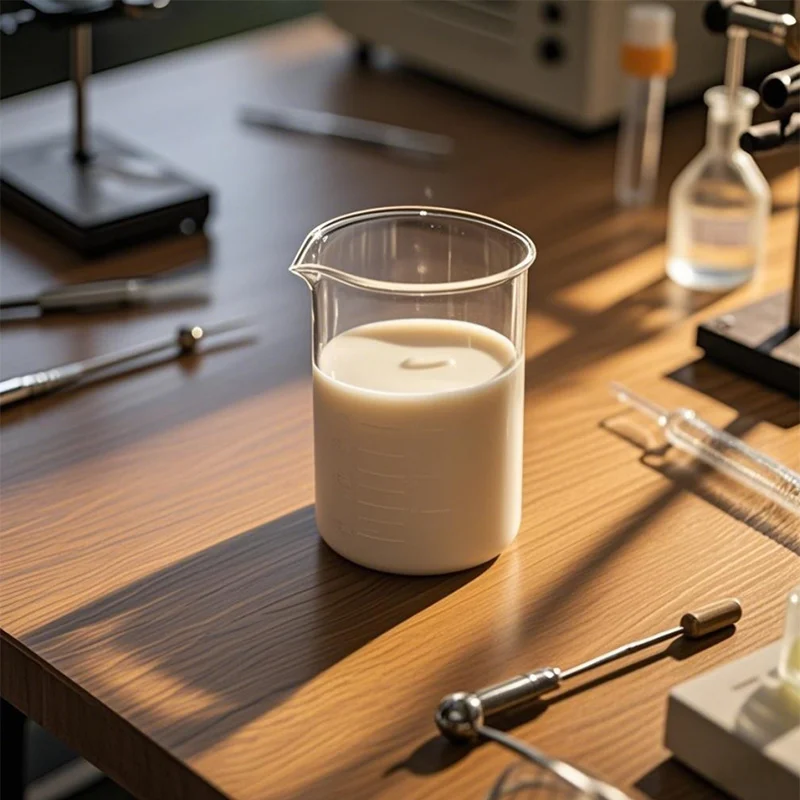
Wastewater leaving the site carries dissolved monomer, surfactant, and colloid fines that challenge biological treatment. Equalization, pH adjustment, and polymer flocculation precipitate acrylic polymer and suspended solids before the equalization tank feeds the municipal plant. Minimizing wastewater at source—through closed-transfer, drip pans, and segregated rinse—cuts the load more cheaply than end-of-pipe fixes. E Plus Chemical publishes waste-minimization guidance aligned with EPA expectations, helping OEM and converter customers design cleaner lines for labels, tapes, hygiene, medical, automotive, and construction markets. Source reduction remains the most reliable lever on octyl acrylate environmental impact for any converter running water-based systems.
A spill of octyl acrylate demands immediate diking, inert absorbent, and transfer to a sealed drum; never flush to drain. Substrate contact, adhesion loss, and cohesion breakdown in finished goods trace back to contaminated feed, so containment protects both the environment and product bond strength. Keep an emergency kit with SDS, neutralizer, and PPE at the tank farm. Weathering and UV resistance claims on the final adhesive only hold when the raw monomer arrived and was stored clean, making on-site discipline part of the quality chain. A documented spill plan also reassures auditors that octyl acrylate environmental impact is managed rather than merely monitored.
Controlling octyl acrylate environmental impact is less about a single device and more about disciplined systems: verified inhibitor, cooled closed tanks, scrubbed vents, and source-reduced wastewater. Buyers should inspect the supplier's ISO 9001 record, request the SDS, and confirm DCS-controlled production before qualifying an OEM partner. On site, maintain storage stability through temperature and MEHQ control, train handlers under OSHA and NFPA rules, and route every spill and effluent through containment. The result is lower risk, cleaner audits, and coatings and adhesives that perform as specified across automotive, construction, and medical applications.
What makes 2-ethylhexyl acrylate different from other acrylate monomers? 2-ethylhexyl acrylate (2-EHA, CAS 103-11-7) is a branched acrylate monomer with low volatility for weather and UV resistance in water-based acrylic pressure sensitive adhesive. Its longer alkyl chain gives flexibility and low-temperature performance. The material still needs MEHQ inhibitor and cooled storage to block spontaneous free radical polymerization. REACH and OSHA require controlled handling, so a current SDS and bonding/grounding discipline stay essential during transfer and routine floor use.
Why does inhibitor concentration matter for safe storage? Polymerization inhibitor MEHQ keeps the acrylate monomer stable by scavenging free radicals that trigger exothermic polymerization. If inhibitor falls below spec, heat and pressure build and off-spec polymer forms in tanks. Regular CAS number and lot checks with DCS temperature alarms catch drift early. Cool conditions and oxygen contact improve storage stability. Verify inhibitor on every delivery, since stable monomer guards personnel safety and the final emulsion or adhesive.
How should a plant reduce VOC emissions from octyl acrylate? Closed, nitrogen-padded transfer with vapor return sends residual volatile organic compound to a carbon bed or thermal oxidizer. Cool, shaded tanks limit evaporation, while disciplined emulsion handling avoids open sampling. ISO 9001 records document controls for auditors. Source reduction through drip pans and segregated rinse beats end-of-pipe fixes. These steps lower the octyl acrylate environmental impact across labeling, tape, packaging, and hygiene lines without slowing daily output.
Can wastewater from adhesive production be treated on site? Yes. Equalization, pH adjustment, and polymer flocculation remove dissolved monomer, surfactant, and colloid fines before municipal discharge. Flocculation sludge is chemical waste under EPA-aligned procedures. Source segregation of rinse and floor wash cuts load at lowest cost. E Plus Chemical advises designing the acrylic waterborne resin emulsion line so wastewater volume stays minimal, protecting the local plant and supporting cleaner audits for OEM and converter customers in automotive and construction markets.
Where should spill kits and SDS be located on site? Spill kits, SDS and MSDS, PPE, and neutralizer belong at the tank farm and every transfer point, with NFPA signage at the storage door. OSHA and ANSI require trained handlers and bonding/grounding for flammable liquids. Containment pans capture leaks before any drain. Quick access shortens response and limits substrate and soil contact. Current documentation protects cohesion and bond strength of adhesive, sealant, and coating products from stored monomer.
 EN
EN