
Buying acrylic raw materials in 2026 feels different from five years ago. The acrylate polymer market has shifted from a quiet commodity trade into a volatile, specification-driven segment where buyers must weigh price against performance, regulatory fit, and delivery security. For procurement managers and formulators, understanding how specialty and standard grades differ is now a core purchasing skill.
Standard, commodity-grade products are engineered for volume rather than precision. A typical acrylic emulsion in this tier targets a fixed solids and viscosity window, with minimal batch-to-batch documentation. Within the acrylate polymer market, these grades win contracts on price and lead time, serving primers, fillers, and commodity coatings. The buyer gives up consistency and regulatory traceability in exchange for low cost.
That trade-off is acceptable when the end product faces mild conditions. A warehouse floor sealer or a low-stress primer rarely punishes a wide spec. Problems appear when humidity, temperature, or substrate variation enters the picture, because a broad-spec material leaves little margin between "passes the lab" and "fails in the field."
Specialty manufacturers use catalytic polymerization and controlled copolymer design to tighten molecular weight distribution and glass-transition temperature. By selecting monomers such as butyl acrylate, 2-EHA, or methyl methacrylate, a supplier can tune adhesion, flexibility, and water resistance for a specific substrate. The acrylate polymer market increasingly rewards this precision, because an acrylic polymer here stops being a commodity and becomes a formulated component with measurable performance margins.
OEM customization extends the advantage. A supplier that adjusts monomer feed and reactor conditions to a buyer's exact film property targets rework and complaint rates directly. That is a different conversation from "what is the drum price" when failures are expensive.
Global demand for water-based systems keeps rising as VOC regulation tightens across regions. Within the acrylate polymer market, a buyer should watch capacity expansion announcements and raw material spreads, because a tight supply chain can flip delivery terms within a single quarter. Suppliers with documented 240,000 t/yr capacity and multiple reactor lines reduce single-point failure risk far better than single-line shops.
Logistics matter as much as chemistry. A plant with export experience, stable feedstock agreements, and transparent lead-time communication protects a buyer during feedstock spikes. Ask for the allocation policy in writing before peak season, not after a shortage hits the line.
Do not compare list price alone. A pressure-sensitive adhesive that fails peel testing burns far more in rework than the savings from a cheaper drum. Score each candidate on open time, cohesive strength, and compatibility with the existing filler system. Sustainability matters too: low-VOC water-based coating chemistries decide which formulations pass audits and which get returned.
Build the comparison as a scorecard, weighting price, lead time, documentation, and field performance by what each failure mode actually costs. The acrylate polymer market offers wide choice precisely so a buyer can match grade to risk instead of overpaying for specs that never get tested on the floor.
The grading of an acrylic polymer is rooted in its copolymer architecture. The ratio of hard monomers like methyl methacrylate to soft monomers like 2-EHA sets the glass-transition temperature, which dictates whether a film stays tacky or builds hardness. Butyl acrylate content controls plasticity. Two products sold under similar names across the acrylate polymer market can carry very different copolymer balances, so reading the chemistry closes that gap.
A useful habit is to request the monomer profile and Tg range on the datasheet. Specifying function instead of trusting a grade name keeps specification drift from reaching the production floor.
Reputable suppliers align with international references so specifications mean the same thing everywhere. Handling and storage guidance tracks OSHA and NFPA classifications for flammables and aerosols, while ISO 9001 and ANSI test methods give comparable quality data. In the EU, CE marking and EN standards govern certain downstream articles. Cite these in the incoming-inspection checklist so audit results stay defensible and disputes resolve on documented grounds.
Ask suppliers for the specific standards behind each test method; a certificate naming the ANSI or ISO method behind every number beats a bare pass-or-fail stamp and lets lots be compared on equal terms.
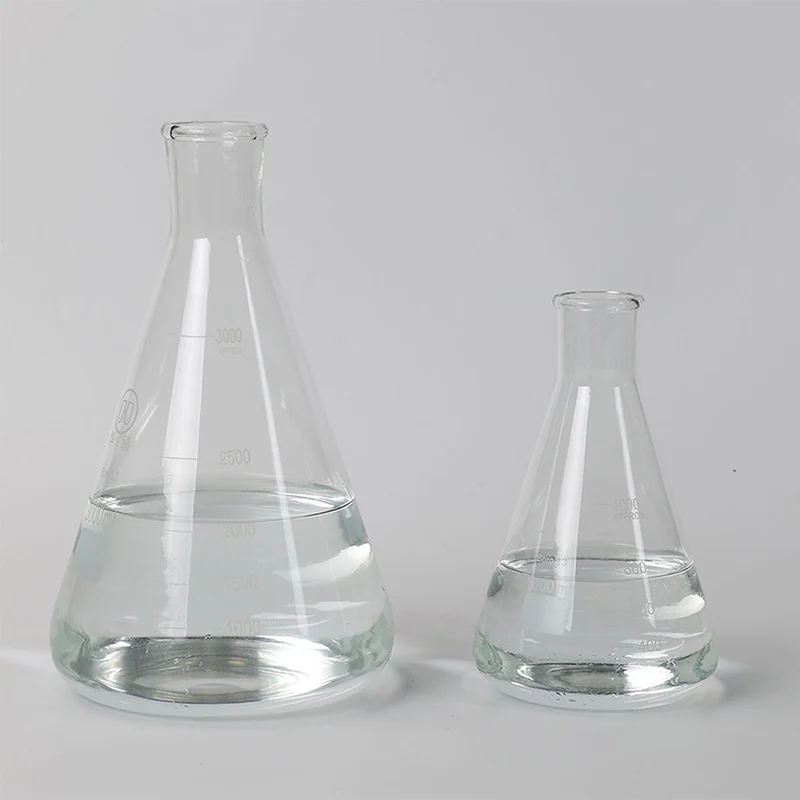
Background: a mid-size laminator ran a commodity acrylic emulsion for backing coats and treated occasional summer complaints as normal seasonality. Problem: rising humidity triggered blocking and delamination that the standard grade could not absorb. Solution: the team moved to a catalytic-polymerized, 2-EHA-rich emulsion with a tighter Tg window and added incoming pH and mechanical-stability checks. Effect: line rejects dropped, and the same formulation held across humid and dry months without reformulation.
Stories like this repeat wherever the acrylate polymer market meets humidity-sensitive converting. The lesson was not "buy the expensive drum," but to match copolymer design to the failure mode and verify every incoming lot, removing a recurring quality cost the low price had hidden.
Buy against a written specification, not a sample that looked good once. Inspect every lot for solids, pH, viscosity, and mechanical stability; keep a retained sample for dispute resolution. Store drums away from heat per NFPA guidance and rotate stock first-in. When switching grades, run a small pilot and confirm compatibility with the pressure-sensitive adhesive or water-based coating line before full conversion.
The acrylate polymer market will keep shifting with feedstock and regulation. Buyers who read chemistry, capacity, and compliance together, and who pilot before committing, turn a confusing catalog into a manageable, lower-risk purchasing decision.
Question: What separates a specialty grade from a standard commodity grade? Answer: A standard grade targets a fixed solids and viscosity window at the lowest cost, with minimal documentation. A specialty acrylic emulsion is built around a designed copolymer architecture, using selected monomers to hit a target glass-transition temperature and adhesion profile. The difference shows up as batch consistency, regulatory traceability, and performance margins that survive field conditions rather than just passing a spec sheet.
Question: Why does the acrylate supply chain affect delivery terms? Answer: The acrylate polymer market moves with feedstock and capacity cycles. When raw material availability tightens or a major plant undergoes maintenance, lead times stretch and allocation rules return. Buyers who track capacity expansion and supplier reactor count reduce exposure to sudden shortfalls. Qualifying at least two sources and holding safety stock shields production from a single supplier's outage or logistics delay.
Question: How should a buyer inspect incoming emulsion lots? Answer: Test each lot against the written specification: solids content, pH, viscosity, and mechanical stability are the baseline. Retain a sealed sample for dispute resolution and confirm the certificate matches the batch. Cross-check storage and handling notes against OSHA and NFPA guidance. A short pilot run on the actual line catches compatibility issues that laboratory numbers alone will miss before full conversion.
Question: Can lower-VOC grades meet performance requirements? Answer: Lower-VOC, water-based chemistries have matured to serve demanding roles in coatings and adhesives. Performance depends on monomer selection and polymerization control rather than solvent content. A well-designed acrylic polymer can match or exceed legacy systems on adhesion and durability while passing VOC regulation and customer audits. Validate through field trials and standard test methods before specifying across a product line.
Question: Which monomer choices matter most for adhesive performance? Answer: Soft monomers such as butyl acrylate and 2-EHA drive tack and flexibility, while methyl methacrylate adds hardness and chemical resistance. The copolymer ratio sets the glass-transition temperature that governs whether a pressure-sensitive adhesive stays aggressive or builds cohesion. Selecting monomers against the end-use substrate, not a generic grade label, gives the most reliable bond and the fewest in-field failures.
 EN
EN