 EN
EN

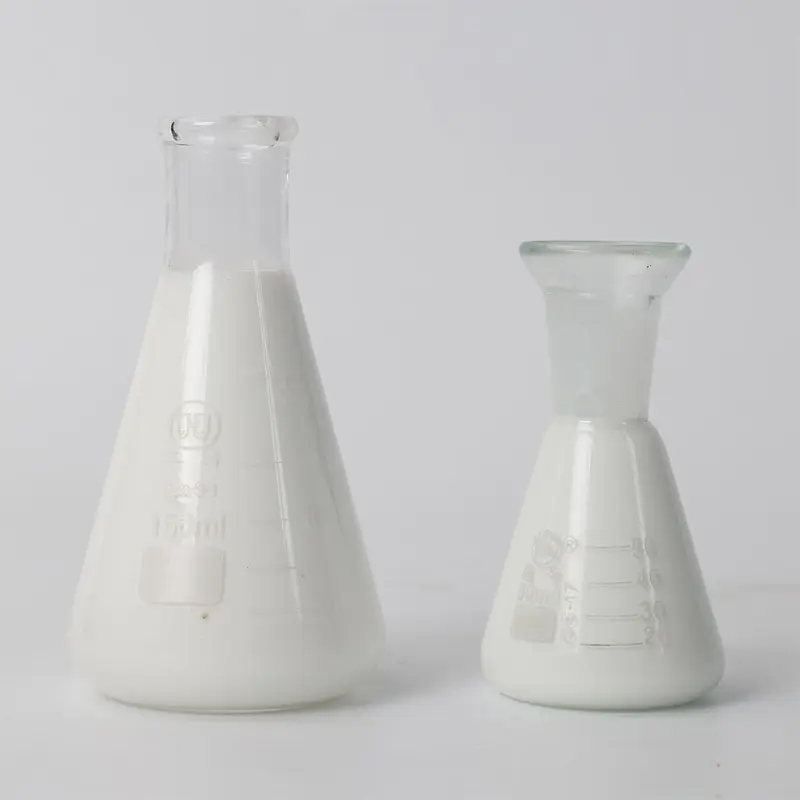
The Shift to Water-Based Acrylic Emulsions: Sustainability and Performance
Rising Demand for Low-VOC and Water-Based Adhesive Solutions
Water based acrylic emulsions are becoming increasingly popular throughout the global adhesive industry as companies face stricter rules regarding volatile organic compounds. According to recent market research from Future Market Insights (2023), these types of emulsions already account for nearly 40% of the polymer emulsions market share. The push toward greener alternatives has been fueled largely by regulations such as the European Union's REACH program which mandates safer chemical handling practices. When we look at how they perform against traditional solvent based systems, water based acrylics cut down on harmful emissions by around 85%. Plus, they stick really well to different materials including plastic surfaces, metal parts, and composite structures. For manufacturers who care about environmental impact, this makes water based options much more attractive than their older counterparts.
How Acrylic Emulsions Replace Solvent-Based Systems in Industrial Applications
Acrylic emulsions based on water have several advantages over old school solvent based glues. They last longer, dry quicker, and are just not as flammable. According to some research published last year, companies that made the switch for their packaging needs saw about 60 percent fewer VOCs coming off the line while still getting strong bonds between materials. The special way these polymers are put together works really well with modern coating machines too. Factories don't lose much time when changing from one product to another, which means better overall productivity across the board.
Case Study: Sustainable Transition in the Packaging Industry
One major player in the packaging industry managed to slash their material waste by around 30% after making the switch to acrylic emulsion adhesives when laminating multiple layers of film together. Going with this water-based alternative completely removed the need for expensive solvent recovery operations, while also bringing down energy consumption by nearly a quarter. An unexpected bonus was that products sensitive to temperature changes actually lasted longer on store shelves. What we're seeing here is real proof that these acrylic emulsions aren't just good for meeting environmental regulations but also make perfect sense from an operational standpoint, especially when running large scale manufacturing operations day after day.
Innovations in Emulsion Polymerization Enhancing Acrylic Emulsion Performance
Controlled Radical Polymerization for Precision Emulsion Design
CRP methods such as RAFT polymerization give researchers much better control when it comes to managing molecular weights and shaping polymer structures. Research published back in 2020 in the journal Chem demonstrated something pretty impressive actually. These CRP processes can convert over 90 percent of monomers into polymers, with PDIs often staying under 1.2. That level of precision lets manufacturers adjust their emulsions exactly how they need them for different types of adhesion requirements. What's really interesting though is how this approach cuts down on waste materials by around 30 to 40 percent compared to older free radical methods. For companies trying to be more environmentally friendly, this represents a significant step forward. Plus, products made using CRP tend to perform more consistently across various pressure sensitive applications where reliability matters most.
Core-Shell Structures and Crosslinking for Improved Durability
Core-shell particle engineering significantly enhances mechanical performance. By encapsulating a soft acrylic core within a rigid shell, these emulsions achieve:
- Peel strength improvements of +25–35% versus homogeneous particles
- Shear resistance exceeding 200% at 70°C
- UV stability with 75% less yellowing after 1,000 hours of QUV exposure
Crosslinking agents such as methyl methacrylate-glycidyl methacrylate copolymers further boost cohesive strength without compromising substrate wettability, making them ideal for demanding automotive and construction applications exposed to extreme environments.
Balancing Reactivity and Stability in Industrial Emulsion Synthesis
Today's emulsion polymerization reactors come equipped with real time monitoring systems that tweak initiator feed rates according to what they see in viscosity measurements and particle size readings. Industry data shows these systems slash batch failures by around two thirds and keep products stable on shelves for over a year and a half. Some pretty cool tech developments are making waves right now too. We've got pH responsive stabilizers that kick in only when forming films, dual initiation methods mixing both heat based and redox activation, plus those neat nanosilica additives stopping coagulation issues while still letting light pass through clearly. All these improvements mean manufacturers can scale up production without compromising quality specs even when temperatures swing from minus 40 degrees Celsius all the way up to 150, and humidity levels jump between 15 percent and nearly full saturation.
Adhesion Mechanisms and Structural Performance of Acrylic Emulsions
Bonding Strength and Substrate Compatibility Across Materials
Acrylic emulsions stick really well because they have bonding methods that work differently depending on what surface they're applied to. The polar parts of these molecules actually form hydrogen bonds when stuck onto things like wood which has lots of tiny pores. For smoother stuff like glass or other plastics, the bonding happens through something called covalent interactions instead. Some research published last year in the International Journal of Adhesion and Adhesives showed pretty impressive results too. These acrylic glues kept about 80% of their strength even after sitting in saltwater for an entire year, which beats out regular epoxy glues by quite a margin. Because they can handle so many different materials at once, manufacturers love using them when putting together products that mix metals, plastics and woods together. Car makers and builders find this especially useful for making durable connections between dissimilar materials without worrying about corrosion issues down the road.
Curing Behavior and Mechanical Resistance Under Stress
Acrylic emulsions work differently from their solvent-based alternatives since they cure through the merging of polymer particles rather than chemical reactions. This process gives them a pretty good middle ground when it comes to drying time versus how strong the final product becomes. The amount of crosslinking in these materials plays a big role in how well they stand up to physical stress. Research published last year in ACS Sustainable Chemistry & Engineering found that increasing crosslink ratios can boost load bearing strength by around 60% when subjected to tension forces. Managing how water evaporates during curing helps reduce internal tensions within the material, which leads to better film formation overall. This is especially important for parts used in environments with lots of vibration, like those found in aircraft manufacturing where consistent performance matters most.
Flexibility, UV Resistance, and Long-Term Stability in Outdoor Use
Acrylic emulsions stand up pretty well against environmental wear and tear because their molecular structure is inherently stable under UV light and they don't contain those pesky plasticizers that break down over time. Lab tests indicate around 15% reduction in peel strength even after spending 2000 hours under intense UV exposure, which actually makes them about three times better than traditional rubber options when it comes to holding up in sunlight. These materials have an elastic modulus somewhere between 0.1 and 2.0 GPa, allowing them to flex with temperature changes without cracking. That flexibility is especially useful for things like sealing solar panels or coating building exteriors where materials expand and contract throughout the day, keeping everything intact without peeling away at the edges.
Sustainable Development and Eco-Friendly Formulations of Acrylic Emulsions
Green Chemistry Drivers and Bio-Based Acrylic Emulsion Innovations
The push from environmental rules and what people want these days is really spurring new ideas in bio-based acrylic emulsions. According to research published last year by Material Insights, when we switch to plant based options instead of petroleum based ones, the carbon footprint drops around 34%. Some pretty cool developments have happened recently too. Manufacturers can now replace about half of their standard materials with nature sourced alternatives without any real issues with how well things stick together or how long they take to dry. Take lignin derived acrylic hybrids as an example. These products are starting to catch on big time for labels because they perform just as good as regular stuff but also fit within those tough VOC regulations across Europe and North America. The industry seems to be moving toward greener solutions faster than many expected.
Reducing Environmental Impact Through Water-Based Synthesis
The switch to water-based acrylic emulsions cuts down on solvent emissions during adhesive manufacturing by around 85 to 90 percent. Manufacturers have been tweaking their processes lately with things like low temp initiators and special surfactants, which has led to roughly a 22% drop in energy needs as reported in recent industry studies from last year. Many plants are now installing closed loop water systems too, slashing fresh water consumption by about 40% for every ton they produce. These changes aren't just good for the environment either. They actually tackle two major concerns in green manufacturing right now waste management issues and how efficiently resources get used throughout production cycles.
Life Cycle Assessment: Bio-Based vs. Petrochemical-Derived Emulsions
Life cycle assessments reveal significant environmental advantages of bio-based emulsions:
| Environmental Metric | Bio-Based Emulsions | Petrochemical Emulsions |
|---|---|---|
| Carbon Footprint (kg CO₂/kg) | 1.2 | 1.8 |
| Energy Use (MJ/kg) | 28 | 39 |
| Biodegradability Rate | 90% (180 days) | 15% (180 days) |
Industry benchmarks confirm bio-based formulations degrade three times faster in landfill conditions while maintaining over 95% bond strength retention after accelerated weathering tests.
Industrial Applications and Market Outlook for Acrylic Emulsion Adhesives
Key Uses in Construction, Automotive, and Packaging Sectors
People across many industries have found acrylic emulsion adhesives to be pretty versatile stuff that just works when needed. Construction workers often turn to these products for making weatherproof seals, sticking insulation together, and applying those special architectural coatings. The auto industry is another big fan, especially when putting together all those lightweight parts. Studies show these adhesives cut down component failures by around 30 percent compared to traditional bolts and screws according to Future Market Insights from last year. Packaging companies love them too, since acrylic emulsions take about 42.1% share of the pressure sensitive tape market because they stand up well against sunlight and work on almost any surface material. Looking ahead, most experts think demand for assembly adhesives will grow at roughly 6.2% per year until 2030 as electric vehicle batteries become more common and manufacturers ramp up production of smart electronic devices.
Regulatory Trends Driving Global Adoption of Low-VOC Adhesives
The rules set out by REACH and EPA standards are pushing companies to adopt low-VOC acrylic emulsions faster than ever before. Switching to water based systems cuts down on factory emissions quite dramatically too around 65% less than what comes from solvent based alternatives. Most importantly, these reductions help businesses meet their green goals. Across Europe and North America specifically, there are now strict limits requiring VOC content under 50 grams per liter for things like glues used in building materials and car manufacturing. With all these regulations gaining traction, many analysts believe we'll see about $4.8 billion extra coming into the market for environmentally friendly adhesives over the next few years according to recent industry reports.
Future Opportunities in Smart and Responsive Acrylic Adhesive Technologies
New stuff happening right now includes these cool temperature sensitive glues used in medical gear, plus self healing materials for airplane parts. Some scientists have started putting sensors inside acrylic mixtures so they can actually track how much stress structures experience while things are moving around them. According to the latest report on assembly adhesives markets from 2024, there's big potential growth coming in areas like 5G networks and bendy electronic components. Acrylic products seem to beat regular epoxy options when it comes to both conducting electricity and sticking properly, which makes them pretty attractive for manufacturers looking at these new applications.
Frequently Asked Questions (FAQ)
What are the environmental benefits of water-based acrylic emulsions?
Water-based acrylic emulsions significantly reduce harmful emissions, offering lower VOC content and a smaller carbon footprint compared to traditional solvent-based systems.
How do acrylic emulsions perform in industrial applications?
Acrylic emulsions provide strong bonding, improved durability, and compatibility with various materials, making them suitable for demanding industrial applications like construction, automotive, and packaging.
What innovations enhance the performance of acrylic emulsions?
Recent innovations like controlled radical polymerization and core-shell structures have enhanced the precision and durability of acrylic emulsions, while also reducing waste.
Why are acrylic emulsions considered eco-friendly?
Acrylic emulsions reduce the reliance on petrochemical sources and offer bio-based alternatives, significantly lowering energy use and enhancing biodegradability.
What is the market outlook for acrylic emulsion adhesives?
The demand for eco-friendly adhesives is rising, with projected growth due to regulatory pressures and the increasing use of smart technologies in various sectors.
Table of Contents
- The Shift to Water-Based Acrylic Emulsions: Sustainability and Performance
- Innovations in Emulsion Polymerization Enhancing Acrylic Emulsion Performance
- Adhesion Mechanisms and Structural Performance of Acrylic Emulsions
- Sustainable Development and Eco-Friendly Formulations of Acrylic Emulsions
- Industrial Applications and Market Outlook for Acrylic Emulsion Adhesives
-
Frequently Asked Questions (FAQ)
- What are the environmental benefits of water-based acrylic emulsions?
- How do acrylic emulsions perform in industrial applications?
- What innovations enhance the performance of acrylic emulsions?
- Why are acrylic emulsions considered eco-friendly?
- What is the market outlook for acrylic emulsion adhesives?