 EN
EN

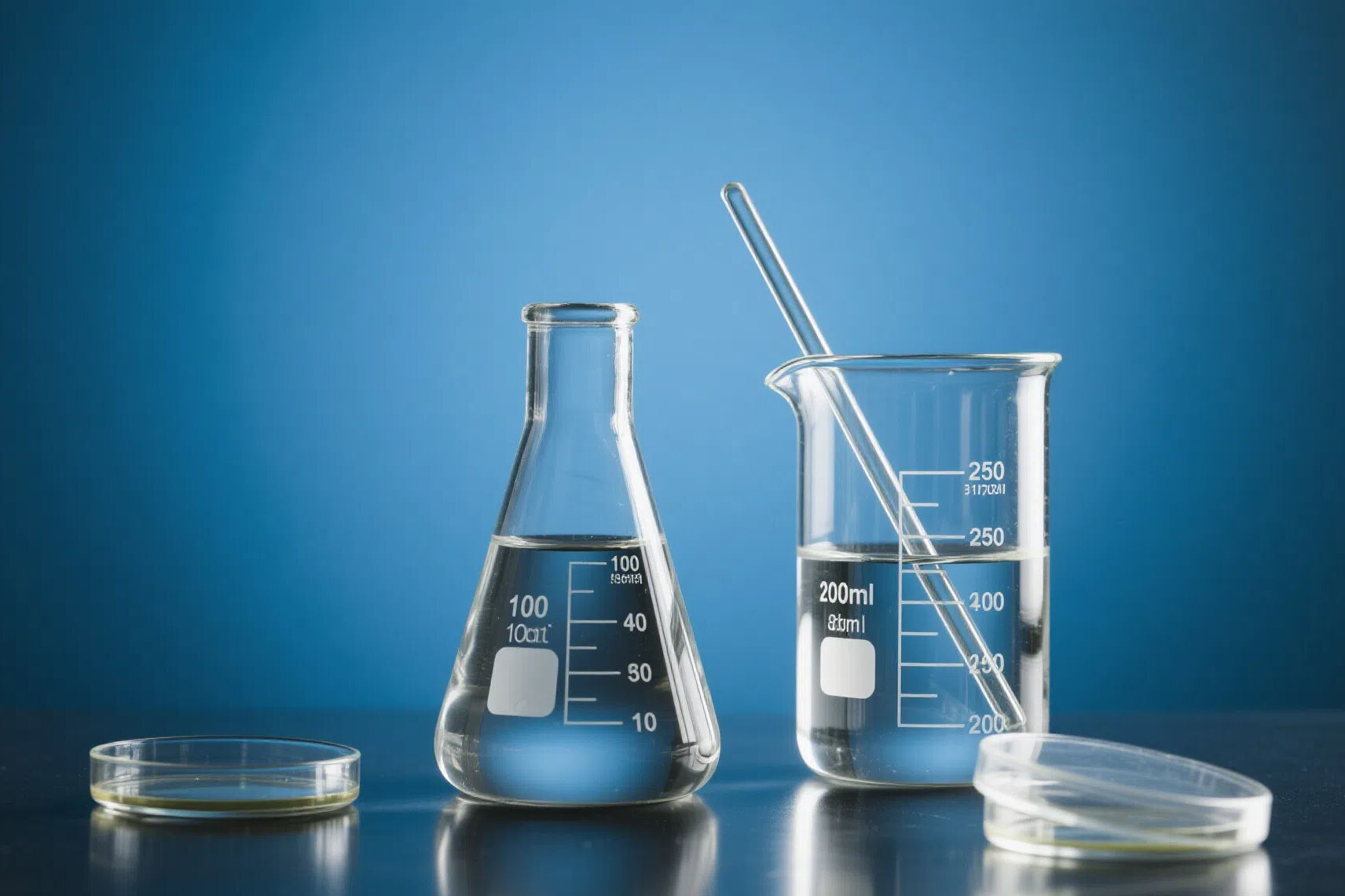
Optimizing Reaction Parameters for High-Purity 2-Ethylhexyl Acrylate
Maintaining rigorous control over reaction conditions is essential for producing high-purity 2-ethylhexyl acrylate. Precision in temperature, molar ratios, catalyst dosage, and residence time minimizes byproducts and ensures optimal conversion.
Temperature Control to Prevent Dimerization and Thermal Degradation
Maintaining temperatures between 110–130°C prevents thermal degradation and suppresses Michael addition side reactions. Exceeding 140°C accelerates acrylic acid oligomerization, while temperatures below 100°C slow esterification kinetics. Automated cooling jackets with continuous thermocouple monitoring eliminate localized hot spots that promote dimer formation.
Precise Molar Ratio of Acrylic Acid to 2-Ethylhexanol to Minimize Residuals
A 1.1:1 molar ratio of acrylic acid to 2-ethylhexanol maximizes conversion while minimizing unreacted components. Excess acrylic acid promotes diacid byproducts, whereas surplus alcohol increases purification costs. Real-time titration allows dynamic adjustment of feed rates to maintain optimal stoichiometry throughout the reaction.
Catalyst Dosage Management to Reduce Sulfonic Acid Carryover and Side Reactions
Sulfonic acid catalysts such as p-toluenesulfonic acid should be used at 0.5–1.2 wt% of total reactants. Under-dosing prolongs reaction time, while over-dosing leads to sulfonic ester impurities and discoloration. Alkaline washes after the reaction effectively neutralize and remove residual catalyst before distillation.
Residence Time Optimization to Inhibit Acrylate Polymerization in Batch Systems
Limiting residence time to 4–6 hours achieves >98% conversion while minimizing oligomerization. Continuous flow reactors reduce polymer formation by 30% compared to batch systems, according to reactor efficiency studies. Adding 100–200 ppm hydroquinone as a radical inhibitor further stabilizes the monomer during processing.
Efficient Phase Separation and Purification Techniques for 2-Ethylhexyl Acrylate
Azeotropic Distillation for Effective Water Removal and Esterification Completion
Azeotropic distillation removes water—the reaction byproduct—driving esterification to completion. Solvents like cyclohexane form low-boiling azeotropes with water, enabling separation at 90–110°C. This temperature range avoids acrylic acid degradation and achieves >99% conversion, while preventing hydrolysis and reducing residual acid content.
Decantation and Emulsion Breaking to Isolate High-Purity Crude 2-Ethylhexyl Acrylate
Post-reaction emulsions are broken using demulsifiers such as 0.1–0.5% polyaluminum chloride, allowing clean phase separation within 30 minutes. Decantation isolates the organic layer, which contains less than 500 ppm water. Centrifugation removes suspended catalysts or salts, yielding 98% pure crude ester—ready for final distillation without prolonged heating that could trigger polymerization.
Reactive Extraction as a Process Intensification Strategy for 2-Ethylhexyl Acrylate Synthesis
In Situ Product Removal Using Selective Solvents to Boost Conversion and Purity
The process of reactive extraction combines solvent separation right inside the reactor itself, which really boosts the production of 2-ethylhexyl acrylate. As the ester starts forming, special solvents keep pulling it out continuously, pushing the reaction closer to full completion. Getting rid of the product while it's still in the reactor cuts down on how long materials stay in those active areas, so there's less chance for unwanted polymerization or dimer formation. Toluene and other hydrocarbon solvents work best here because they grab onto the acrylate molecules but leave behind water and catalyst components. A recent research paper found that this method can actually increase conversion rates by about 15 percent when compared to traditional batch processes, plus the final product tends to be purer since we're isolating it much earlier in the game.
Performance Comparison of Toluene, Heptane, and MIBK in Reactive Extraction
Solvent selection affects separation efficiency and energy use:
| Solvent | Partition Coefficient1 | Selectivity Ratio | Boiling Point (°C) | Recovery Energy |
|---|---|---|---|---|
| Toluene | 8.5 | 3.2 | 111 | Moderate |
| Heptane | 6.1 | 2.8 | 98 | Low |
| MIBK | 12.3 | 5.7 | 117 | High |
Heptane offers low-energy recovery but only moderate partitioning. Toluene provides a balanced profile with proven handling safety. Methyl isobutyl ketone (MIBK) delivers superior selectivity and partitioning—particularly effective for trace impurity removal—but demands higher energy for solvent recovery. The choice depends on purity requirements and sustainability goals.
1 Measured as 2-ethylhexyl acrylate concentration in solvent vs. aqueous phase
Advancing Sustainability and Selectivity with Deep Eutectic Solvents (DES)
Choline Chloride–Urea DES as a Green, Recyclable Medium for 2-Ethylhexyl Acrylate Production
A choline chloride-urea deep eutectic solvent (DES) is becoming increasingly popular as an eco-friendly replacement for those nasty volatile organic solvents everyone hates. What makes this stuff special? Well, it's basically non-toxic and breaks down naturally in the environment. Plus, it works great at temperatures under 80 degrees Celsius with almost no vapor pressure, which means fewer harmful emissions escaping into the air. Another big plus point is how it speeds up chemical reactions while making it easy to separate phases after the reaction completes. Industry folks love that they can recover and reuse this DES solution for over five cycles without noticing any drop in performance. That translates to around a 60 to 70 percent reduction in solvent usage overall. And when companies cut down on solvent consumption like this, their waste disposal bills shrink significantly, not to mention the positive effect on our planet's health in the long run.
DES-Mediated Suppression of Diacrylate Byproducts for Enhanced Product Purity
When it comes to chemical processes, deep eutectic solvents work wonders at stopping those pesky diacrylates from forming. They do this by grabbing onto acrylic acid monomers before they can get involved in unwanted polymer reactions. As a result, we see around 40 to maybe even 50 percent fewer of these problematic impurities showing up in our products. What makes DES really special is their ability to adjust their polarity levels. This flexibility gives researchers much better control over how reactions proceed. With this method, manufacturers can produce 2-ethylhexyl acrylate that's over 99.5% pure while needing far less cleaning up afterward. Beyond purity improvements, there's also significant energy savings downstream since the whole operation runs cleaner. Yields typically go up between 15 and 20 percentage points simply because there aren't as many unwanted byproducts floating around to complicate things.
Frequently Asked Questions (FAQ)
What is the ideal temperature range for producing 2-ethylhexyl acrylate?
The ideal temperature range is 110–130°C to prevent thermal degradation and unwanted side reactions.
Why is a precise molar ratio important in the production of 2-ethylhexyl acrylate?
A precise molar ratio ensures maximum conversion and minimizes residuals that could increase purification costs.
What role do catalysts play in 2-ethylhexyl acrylate synthesis?
Catalysts, such as p-toluenesulfonic acid, aid the reaction process but must be dosed correctly to prevent impurities.
Table of Contents
- Optimizing Reaction Parameters for High-Purity 2-Ethylhexyl Acrylate
- Efficient Phase Separation and Purification Techniques for 2-Ethylhexyl Acrylate
- Azeotropic Distillation for Effective Water Removal and Esterification Completion
- Decantation and Emulsion Breaking to Isolate High-Purity Crude 2-Ethylhexyl Acrylate
- Reactive Extraction as a Process Intensification Strategy for 2-Ethylhexyl Acrylate Synthesis
- Advancing Sustainability and Selectivity with Deep Eutectic Solvents (DES)
- Choline Chloride–Urea DES as a Green, Recyclable Medium for 2-Ethylhexyl Acrylate Production
- DES-Mediated Suppression of Diacrylate Byproducts for Enhanced Product Purity
- Frequently Asked Questions (FAQ)