 EN
EN

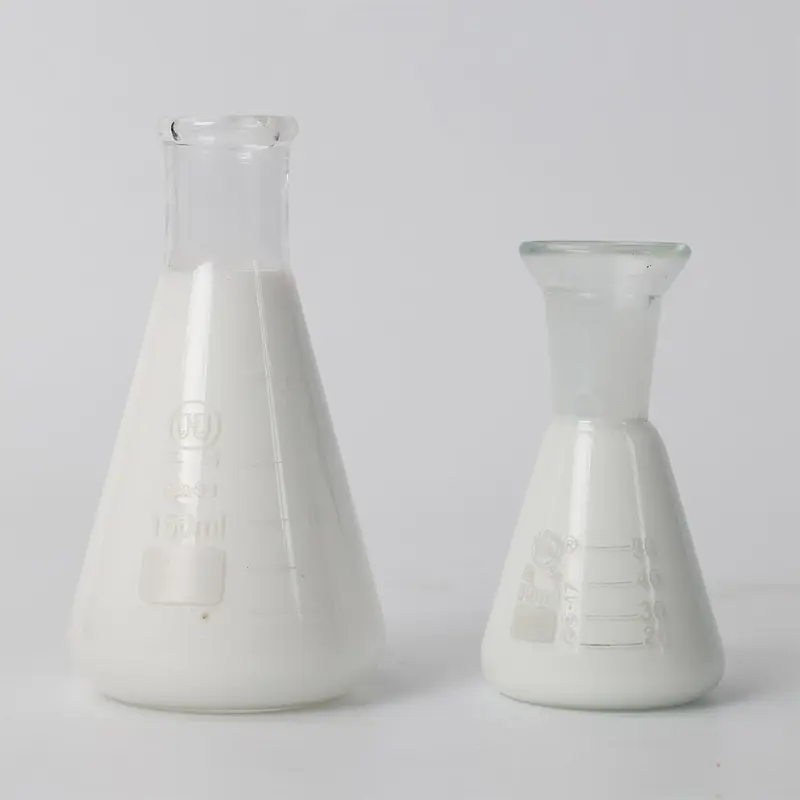
Why Humidity Degrades Waterbased Acrylic Pressure Sensitive Adhesive Performance
Mechanism: Moisture-induced swelling and plasticization of the polymer network
High humidity levels really mess with how water-based acrylic pressure sensitive adhesives work, mainly because of two connected physical processes happening at once. Once the air gets above 65% relative humidity, the adhesive starts absorbing moisture which causes the polymer matrix to swell significantly, sometimes expanding those molecular chains by as much as 15% in extreme situations. At the same time, this moisture acts like a kind of internal lubricant within the material structure. What happens next is pretty important for performance: water actually makes the polymer chains move around more freely while dropping the glass transition temperature somewhere between 8 and 12 degrees Celsius. When adhesives start behaving more viscously than elastically, several key performance indicators take hits. Peel strength can fall by nearly a third, shear resistance drops over 40%, and tack measurements become all over the place with variations reaching ±2.1 N/cm because different parts of the adhesive swell unevenly. This breakdown in structural integrity leads to substrates slipping when loaded and ultimately speeds up adhesive failure rates in moist conditions throughout the product's lifecycle.
Root Causes: Hydrophilic carboxyl groups, residual surfactants, and incomplete film coalescence
Waterbased acrylic pressure sensitive adhesives face several material challenges when it comes to moisture sensitivity. The acrylic polymer itself contains hydrophilic carboxyl groups (-COOH) along its backbone that act like tiny magnets constantly attracting water molecules. Then there's the issue of leftover surfactants after drying. These typically remain at levels between 0.5% and 2%, creating microscopic channels throughout the material. Tests show these channels can boost water absorption rates by as much as 19 times compared to their solvent-based counterparts. And finally, when the adhesive film doesn't fully coalesce during the drying process, it leaves behind nanoscale pores. These tiny openings work just like capillaries, allowing humidity to seep right into the material over time.
| Factor | Impact on Humidity Resistance | Mitigation Difficulty |
|---|---|---|
| Carboxyl groups | Permanent hydrophilicity | High (requires polymer redesign) |
| Residual surfactants | Creates moisture highways | Medium (optimized rinsing) |
| Incomplete coalescence | Forms water entry points | Low (process adjustments) |
Collectively, these vulnerabilities reduce effective service life by 50–70% in tropical environments versus controlled conditions.
Crosslinking Strategies to Improve Water Resistance in Waterbased Acrylic PSA
Targeted crosslinking strengthens the polymer network to resist moisture-induced degradation without compromising core PSA functionality.
Aziridine and carbodiimide crosslinkers: Balancing humidity resistance and initial tack
When aziridine and carbodiimide crosslinkers get added after emulsification, they create covalent bonds with those pesky carboxyl groups. This actually cuts down on water absorption quite a bit, around 40% when things get really humid. These chemicals work pretty fast too, so they keep the material strong without making it swell too much. But watch out if someone goes overboard with them. Too many crosslinks can make the stuff lose its initial stickiness. The best formulas manage to hold peel adhesion above 20 newtons per centimeter while still showing real improvement in how well they stick when wet. Tests from ASTM D3330 and ISO 29862 back this up through their humidity cycling protocols. Getting this right matters a lot for products where performance counts, such as medical adhesive tapes or flexible food packaging materials that need to stay stuck even when damp.
Dual-cure (thermal + UV) systems: Achieving robust covalent networks without VOCs
Dual cure systems work by combining heat activation with ultraviolet light to create strong, water resistant networks that completely eliminate VOC emissions. When heated to around 80 to 100 degrees Celsius, the material starts forming crosslinks, but it's really the UV light that does most of the heavy lifting, getting over 95 percent cured within just a few seconds. What makes these systems stand out is their ability to hold up against long term moisture exposure. Research has actually found that they maintain about 30 percent better adhesion when wet compared to regular single cure alternatives. For industries like electronics manufacturing and car interior assembly, this matters a lot because parts need to stay bonded reliably even when exposed to different weather conditions day after day.
Hydrophobic Modification of Waterbased Acrylic PSA Formulations
Lauryl methacrylate and other long-chain alkyl monomers (8–12% loading)
Adding hydrophobic monomers like lauryl methacrylate (with a C12 alkyl chain) at around 8 to 12% by weight creates physical barriers that stop water from getting into the polymer structure. When we look at formulations containing about 10% lauryl methacrylate, they show roughly 40 to 60% less water absorption compared to materials without these additives. This helps fight against the softening effect caused by leftover carboxyl groups in the material. The good news is that despite all this, the modified material still holds together well under stress tests. It maintains peel strength over 12 Newtons per 25 mm measurement even when exposed to very humid conditions at 95% relative humidity. That makes it particularly useful for products needing reliable performance in hot, moist environments or tropical climates where standard materials would typically fail.
Silicone-acrylic hybrid latexes for interfacial water barrier enhancement
Silicone acrylic hybrids take advantage of silicone's natural water repelling properties, which show themselves when water droplets form angles over 100 degrees on surfaces. When these films dry out, the silicone parts tend to move toward the surface between the material and air, creating a strong barrier against moisture. This actually cuts down on water absorption by about 70 percent in many cases. What makes this interesting is how it keeps the sticky qualities of acrylic intact while still providing excellent protection from water damage over time. Manufacturers love this tech because it works without releasing harmful volatile organic compounds. We see it being especially useful in making medical devices and putting together consumer electronics, industries where meeting strict regulations and ensuring products last a long time matters a lot for success.
Are you looking for a reliable partner to meet your high-performance adhesive needs? E Plus Chemical Co.,Ltd provides comprehensive custom OEM/ODM services for water-based acrylic resins. If you have specific formula ideas or need custom water-based acrylic pressure-sensitive adhesives tailored to your unique temperature and performance requirements, our expert team is ready to assist you and provide professional formula processing services.
FAQ
Why does high humidity affect waterbased acrylic pressure sensitive adhesives?
High humidity leads to moisture absorption in the adhesive, causing polymer swelling and making the material more viscous, reducing its performance in terms of peel strength, shear resistance, and tack.
What are common factors causing humidity-related issues in these adhesives?
The presence of hydrophilic carboxyl groups, residual surfactants creating moisture channels, and incomplete film coalescence are primary contributors.
How can water resistance be improved in waterbased acrylic PSAs?
Techniques such as targeted crosslinking with aziridine and carbodiimide, dual-cure systems, and hydrophobic modifications can significantly enhance water resistance.
What role do hydrophobic modifications play?
Incorporating hydrophobic monomers or creating silicone-acrylic hybrids helps reduce water absorption and enhances durability in humid conditions.